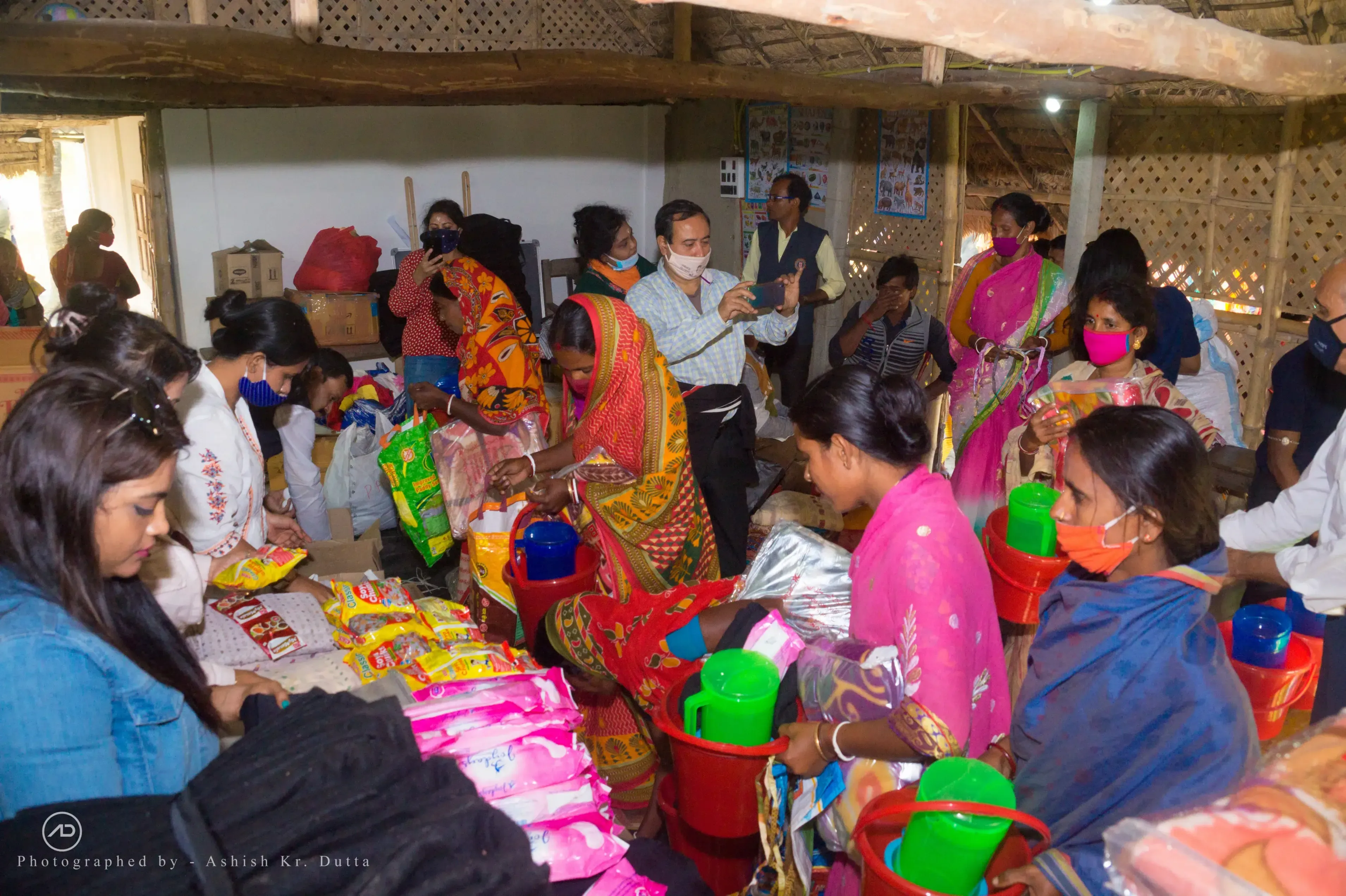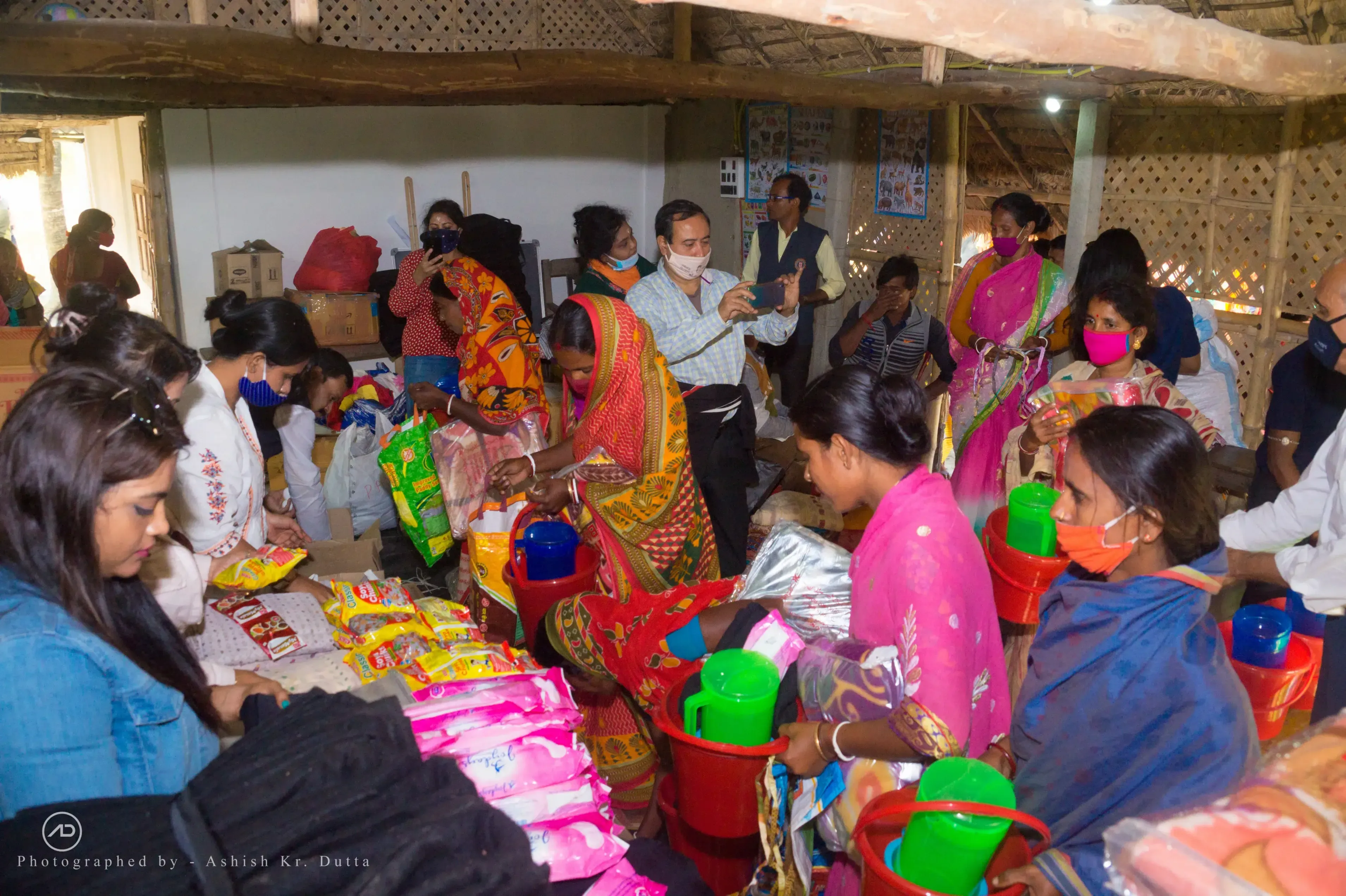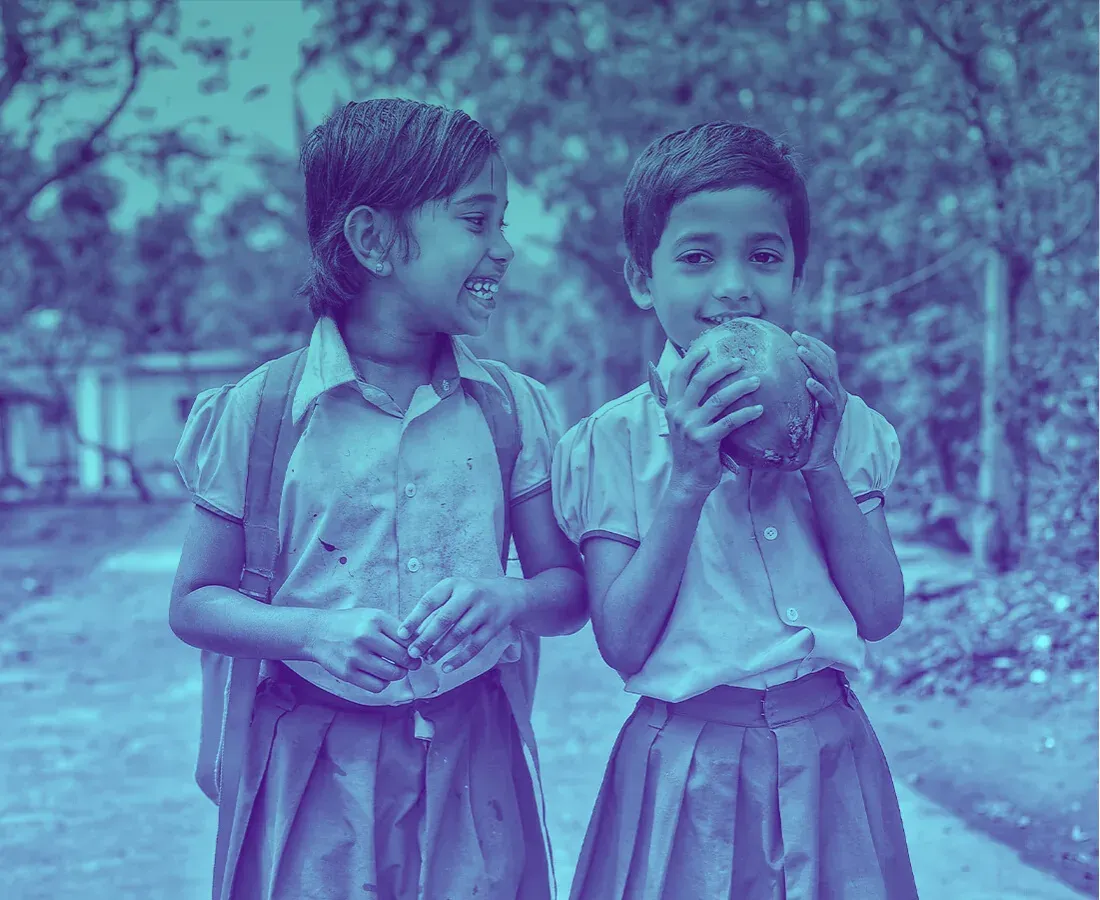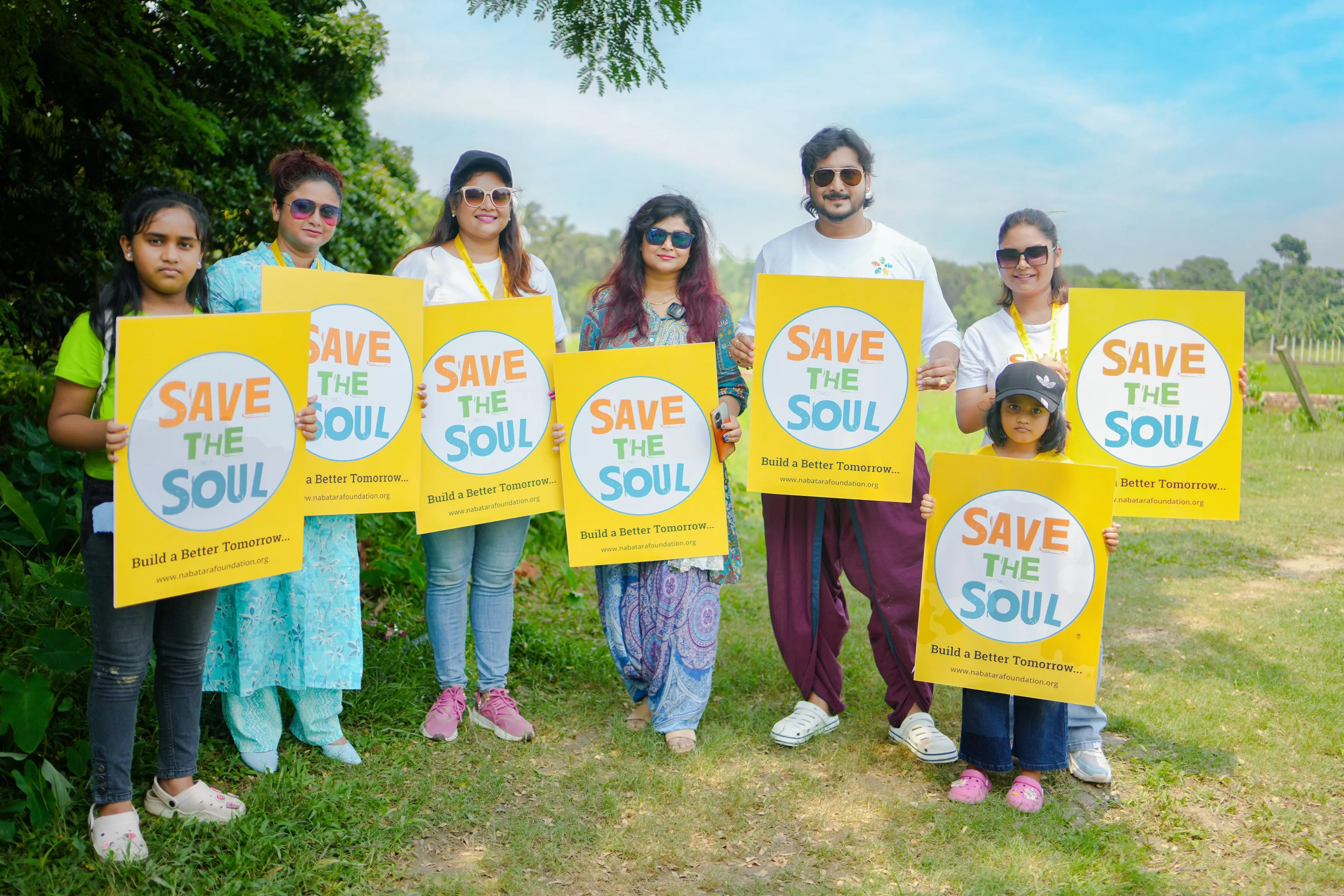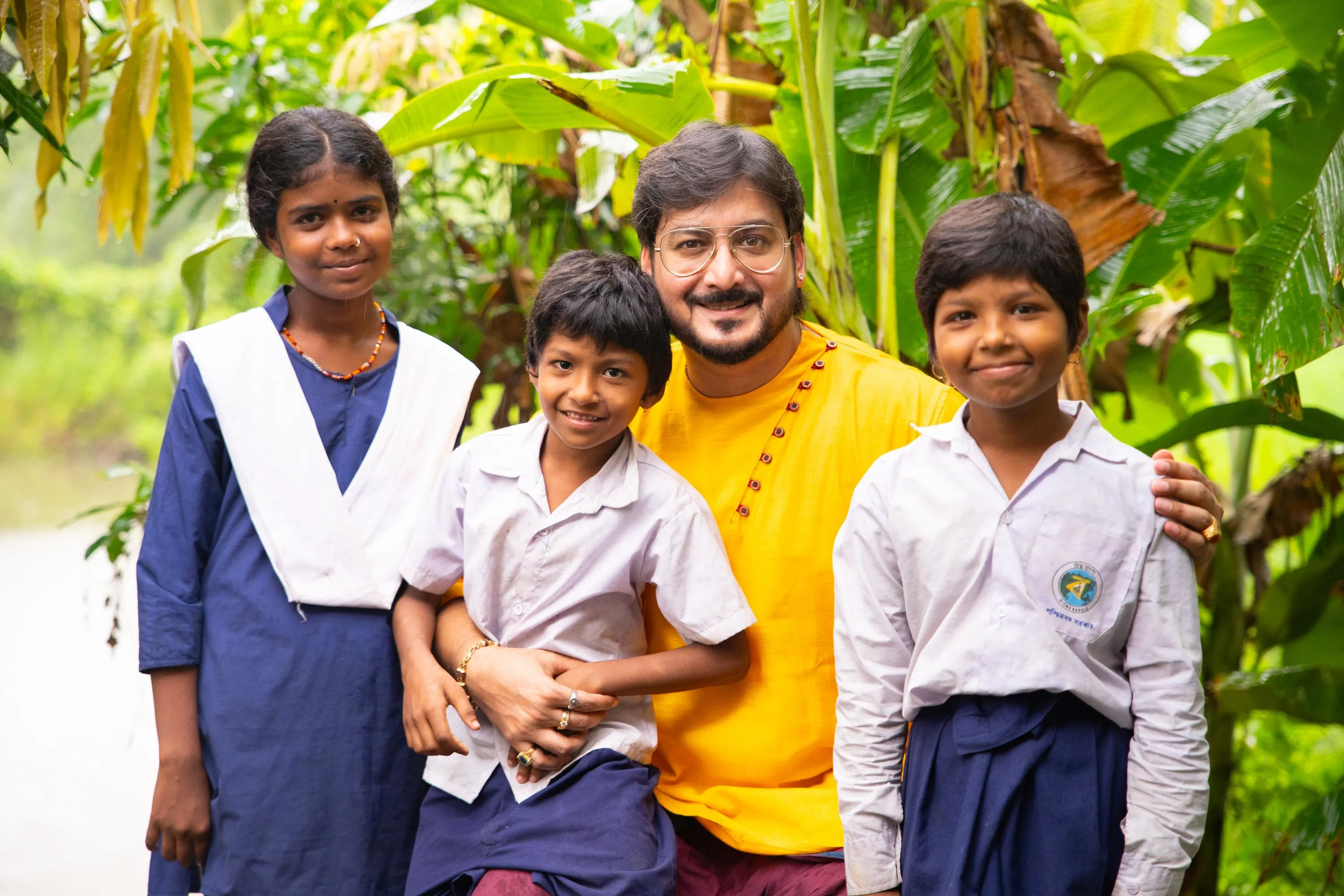
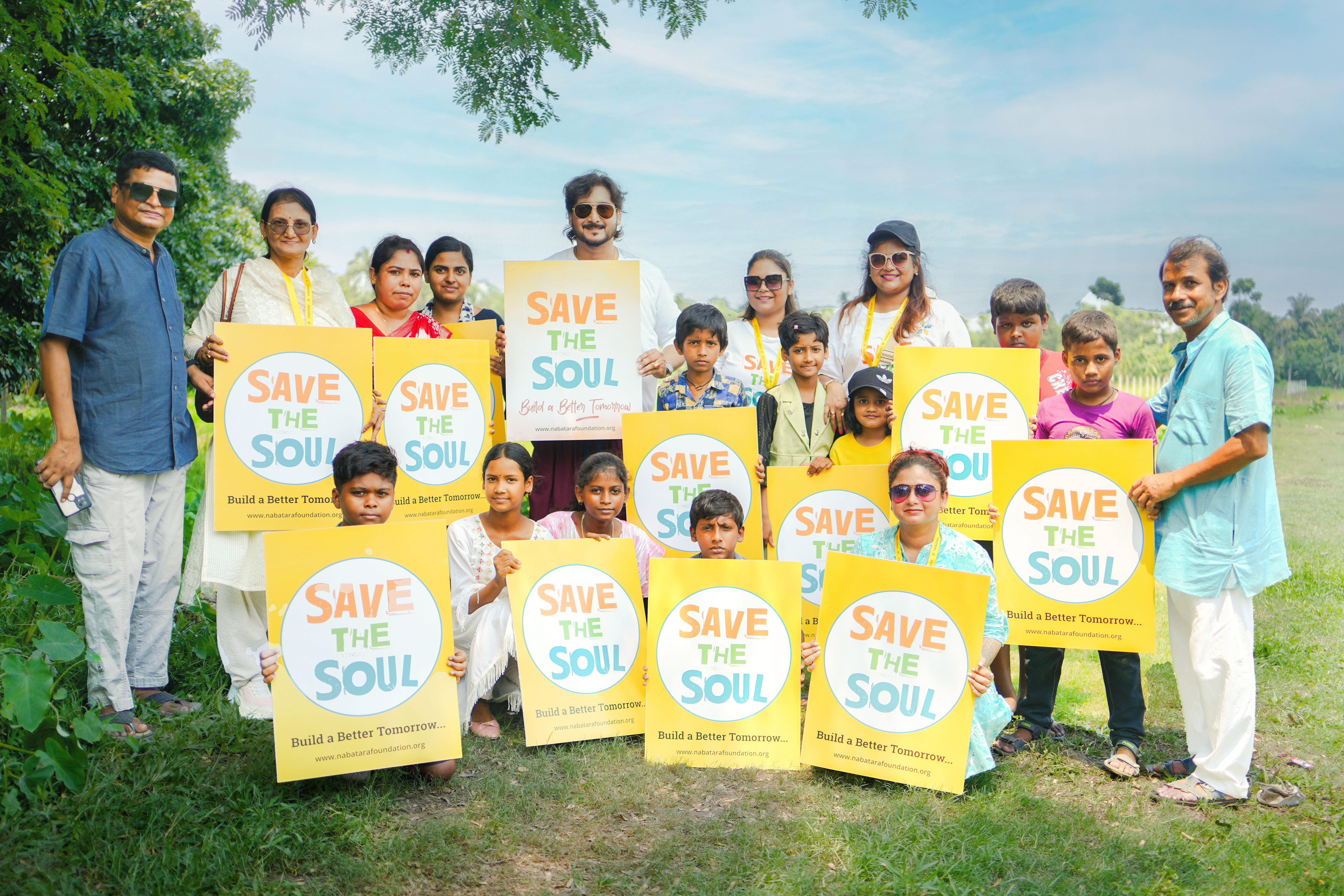
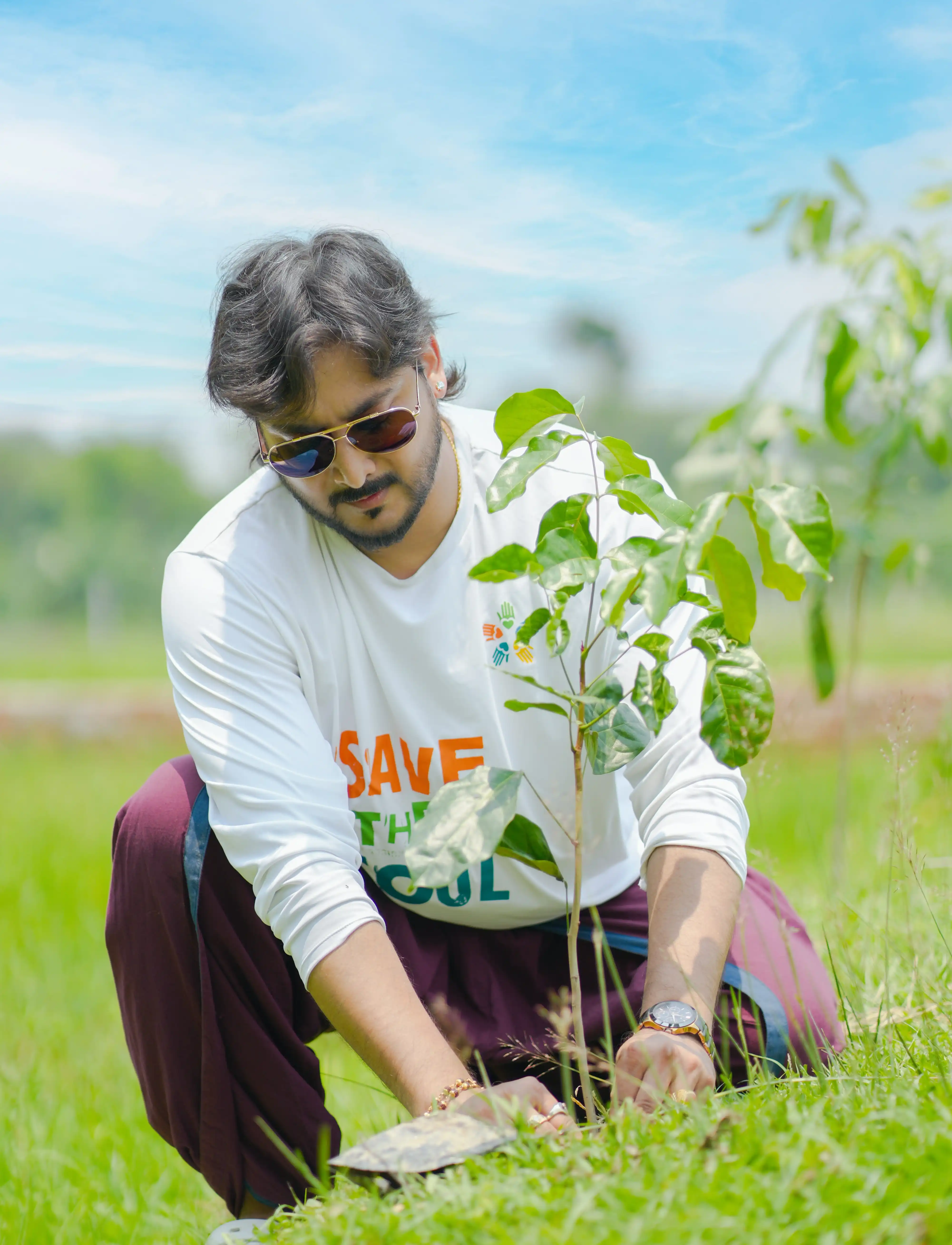


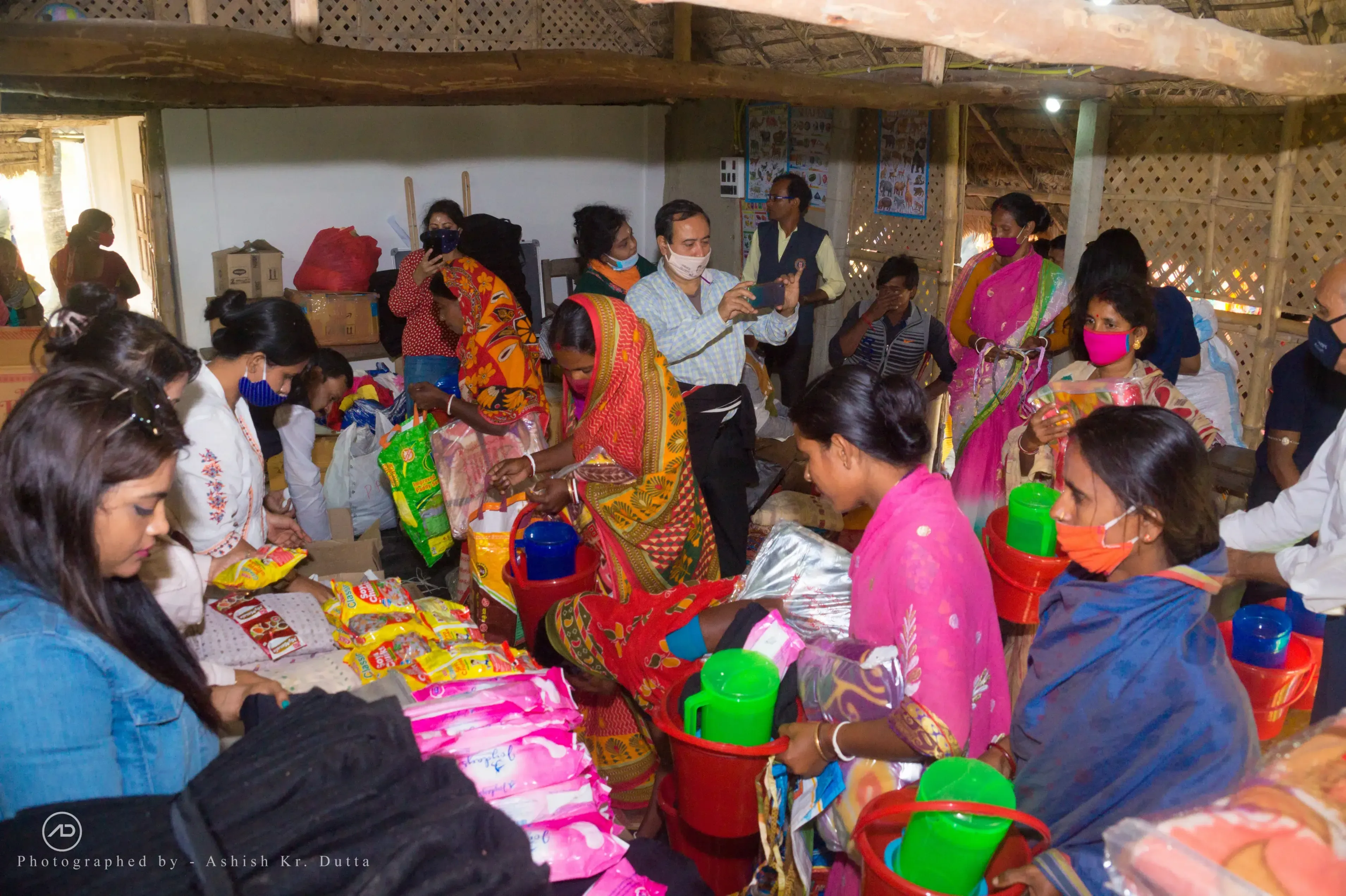
Arun's journey is one such story. Found abandoned when he was only five months old, his future appeared uncertain before it had even begun. The path ahead could easily have been marked by neglect, isolation, and lost opportunities. Instead, through the dedicated efforts of caregivers and the continued support extended through the Orphanage Development initiative of Nabatara Foundation—Save The Soul, Arun discovered something every child deserves—a place where he was valued, protected, encouraged to learn, and inspired to dream beyond his circumstances.
Today, Arun is a Class IX student with aspirations that continue to grow alongside his confidence. His story is not simply about surviving childhood adversity; it is about what becomes possible when compassionate individuals, committed volunteers, responsible donors, and community partners come together to invest in a child's future. It reminds us that genuine change is rarely achieved through a single act of kindness. Rather, it is built patiently through years of consistent care, quality education, nutritious meals, emotional support, creative learning, and opportunities that help children discover their own strengths.
This journey reflects the belief that every child, regardless of how difficult their beginning may be, deserves the chance to build a meaningful future. It also represents the larger mission of the Nabatara Foundation—to ensure that vulnerable children are not defined by the circumstances into which they were born but by the opportunities they receive to flourish. Through compassion rooted in responsibility and service, Arun's story becomes a reminder that hope grows strongest when an entire community chooses to stand beside a child.
The Human Reality
When One Child's Story Reflects the Reality of Thousands
The story of orphan child education is ultimately a story about possibility. Across India, countless children begin life without the security of a family, exposing them to emotional, educational, and social challenges that can shape every stage of their development. Through its commitment to child welfare, Nabatara Foundation—Save The Soul, under the guidance of Gaurav Tribedi, believes that every child deserves the opportunity to grow with dignity, confidence, and hope. Arun's journey is not presented as an extraordinary miracle but as a reflection of what becomes achievable when consistent care replaces abandonment and compassion is transformed into meaningful action.
Arun was only five months old when he was found abandoned. At an age when most infants recognize the comforting presence of a parent, he entered life without the protection that every child instinctively seeks. His cries could not explain where he came from, why he had been left behind, or what circumstances had led to that heartbreaking moment. Like many abandoned infants across the country, he depended entirely on the kindness and responsibility of strangers to survive.
Eventually, Arun found shelter in an orphanage in South 24 Parganas. The building provided safety, but more importantly, it became the beginning of a new chapter. For children who arrive under such circumstances, an orphanage is much more than a roof overhead. It becomes their first classroom, their first community, and often the first place where they experience routine, encouragement, and emotional security.
The earliest months and years of childhood play an essential role in shaping emotional well-being, cognitive growth, and social confidence. Children who experience abandonment often carry invisible wounds that cannot be measured through medical reports alone. While food and shelter address immediate needs, genuine healing requires patience, stability, affection, guidance, and opportunities to develop naturally alongside other children.
This understanding forms an important part of the philosophy embraced by the Nabatara Foundation. Every child is viewed not as a recipient of charity but as an individual with talents waiting to be discovered, dreams waiting to be encouraged, and potential waiting to be realized. Rather than focusing solely on immediate necessities, the Foundation seeks to create environments where children can gradually rebuild confidence through education, creative expression, discipline, and community participation.
Growing Beyond the Circumstances of Birth
Children rarely choose the circumstances into which they are born. They certainly never choose abandonment. Yet society often judges vulnerable children through circumstances entirely beyond their control. This is why compassionate intervention during childhood carries lasting significance. Every supportive adult, every teacher, every volunteer, and every caregiver becomes part of a child's understanding of trust and belonging.
As Arun grew, the orphanage became more than a place of residence. It became the space where ordinary childhood experiences slowly replaced uncertainty. He learned to play with other children, attend school, celebrate festivals, participate in cultural activities, and build friendships that created a sense of family. These seemingly ordinary moments are deeply meaningful for children who have experienced early separation from parental care.
The Orphanage Development initiative supported by the Nabatara Foundation contributes to strengthening such environments by helping ensure that children have access to nutritious meals, educational resources, clothing, healthcare support, and opportunities for personal development. Rather than treating childhood as a waiting period until adulthood, the initiative recognizes that every stage of growth deserves attention, encouragement, and investment.
Education became one of the strongest pillars in Arun's development. Entering a classroom offered more than academic lessons. It introduced him to discipline, curiosity, teamwork, and self-belief. Every completed assignment, every encouraging word from a teacher, and every new concept understood became another reminder that his future could be shaped by learning rather than by the uncertainty of his earliest months.
Today, Arun studies in Class IX. His school books carry more than subjects and examinations; they carry aspirations that once seemed impossible. Like many teenagers, he now thinks about higher education, meaningful work, and contributing positively to society. His dreams have grown because someone believed they deserved to exist.
The Importance of Holistic Child Development
Child development extends far beyond academic achievement. A truly supportive childhood creates opportunities for creativity, physical well-being, emotional resilience, and social confidence. Recognizing this, Arun was encouraged to participate in activities including dance, music, martial arts, drawing, craft work, and other developmental programs that allowed him to express himself while discovering interests and abilities that traditional classrooms alone cannot provide.
Creative activities help children communicate emotions that words often fail to express. Music teaches patience and concentration. Dance develops confidence and discipline. Martial arts encourage self-control, respect, and physical fitness. Craft activities improve creativity while nurturing problem-solving skills. Together, these experiences contribute to balanced personal growth that prepares children for life's many challenges.
Children who receive opportunities to explore different talents often begin to view themselves differently. Instead of seeing limitations, they begin recognizing possibilities. This shift in self-perception influences academic performance, relationships, emotional well-being, and future aspirations. For children who have experienced abandonment, discovering their own abilities can become one of the most powerful forms of healing.
Arun gradually developed confidence not because someone repeatedly told him he was capable, but because he was given opportunities to experience success through learning, practice, encouragement, and perseverance. Every new skill strengthened his belief that his future could be determined by effort and opportunity rather than by the painful circumstances surrounding his infancy.
Understanding Seva, Dharma, Antyodaya, and Kalyan
The values guiding child welfare at Nabatara Foundation are deeply connected with timeless humanitarian principles that continue to inspire service across India. One of these principles is Seva, a Sanskrit word meaning selfless service performed without expecting personal reward. Seva recognizes the inherent dignity of every individual and encourages communities to respond to suffering through compassionate action. Supporting vulnerable children is one expression of this philosophy, where kindness is demonstrated through consistent responsibility rather than occasional generosity.
Another guiding principle is Dharma, which may be understood as one's ethical responsibility or moral duty toward others. In the context of child welfare, Dharma reminds society that protecting children is not merely an act of goodwill but a shared responsibility. When communities invest in education, nutrition, healthcare, and emotional well-being, they uphold this broader commitment to justice and compassion.
The Foundation's work also reflects the philosophy of Antyodaya, meaning the upliftment of the last person in society—the individual who is often overlooked, marginalized, or excluded from opportunities. For international readers, Antyodaya represents an approach to development that begins with those facing the greatest challenges. Arun's journey illustrates how focusing on the most vulnerable children creates stronger and more compassionate communities for everyone.
Equally significant is the idea of "Kalyan," meaning collective welfare or the well-being of all. Kalyan recognizes that communities become healthier and more resilient when every child has access to education, safety, and opportunities for growth. Helping one child does not benefit only that individual; it strengthens families, neighborhoods, schools, and future generations.
Hope Built One Day at a Time
There was no single moment when Arun's life changed overnight. His journey reflects something much more realistic and meaningful. Transformation happened gradually through countless ordinary days—days filled with school lessons, shared meals, health check-ups, conversations with caregivers, participation in cultural activities, encouragement from teachers, and the reassuring knowledge that he belonged somewhere.
Children recovering from abandonment do not simply need rescue; they need consistency. They need adults who remain present through successes and setbacks alike. They need environments where mistakes become learning opportunities rather than reasons for rejection. Above all, they need communities that recognize their humanity before their circumstances.
Arun's story reminds us that the future of vulnerable children is rarely shaped by dramatic events alone. More often, it is shaped by patient investments made over many years—investments in education, nutrition, health, emotional well-being, creativity, and dignity. These steady acts of care gradually replace uncertainty with confidence and fear with hope.
As Arun continues his education and prepares for the opportunities that lie ahead, his journey reflects the quiet strength of compassionate communities working together. It also reminds every reader that behind each child supported today is a future adult who may one day contribute knowledge, kindness, leadership, and service to society. That possibility begins with ensuring that no child has to face life's earliest challenges alone.
The Pillars of Change
Creating Opportunities Beyond Immediate Support
When a child enters an orphanage after experiencing abandonment, the first requirement is safety. A secure environment, regular meals, medical attention, and basic care create the foundation for survival. However, true child development requires much more than meeting immediate needs. Children need education, emotional guidance, confidence-building opportunities, and a community that believes in their potential. This understanding shapes the approach of Nabatara Foundation, which works toward creating meaningful support systems for vulnerable children through compassion, structured programs, and long-term commitment.
The journey of Arun demonstrates why sustainable child welfare requires a complete approach. His transformation was not created by one resource or one person alone. It was the result of many interconnected forms of support working together over time. A nutritious meal helped maintain his health. Education opened doors to knowledge. Creative activities helped him express himself. Caregivers provided emotional security. Community support created opportunities. Together, these elements helped Arun move from a vulnerable beginning toward a future filled with confidence and ambition.
As a trusted child welfare NGO in Kolkata and India, Nabatara Foundation understands that children facing difficult circumstances require support that respects their individuality. Each child has different emotional needs, learning abilities, interests, and dreams. Effective social development begins by recognizing these differences and creating opportunities that allow every child to grow at their own pace.
Under the guidance and humanitarian vision of Gaurav Tribedi, Nabatara Foundation focuses on service models that encourage dignity rather than dependency. The objective is not only to provide assistance during difficult moments but also to help children develop the confidence, skills, and knowledge required to participate actively in society.
The Challenges Faced by Orphaned and Vulnerable Children
Childhood abandonment is one of the most complex social challenges because its impact extends far beyond the absence of parental care. A child may face emotional uncertainty, interrupted education, limited access to resources, social stigma, and challenges in building self-confidence. These difficulties can influence how children perceive themselves and their place in the world.
Many orphaned and vulnerable children in India come from backgrounds where poverty, social instability, family crises, health emergencies, or difficult circumstances have affected their ability to receive consistent care. While every child's story is unique, many share common barriers that prevent them from accessing the same opportunities available to other children.
Education interruption is one of the most serious concerns. Without proper educational support, children may struggle to develop foundational skills that influence future employment opportunities and personal independence. A child who misses education during important developmental years may find it harder to overcome social and economic disadvantages later in life.
However, education alone cannot solve every challenge. Children also require emotional support, positive relationships, recreational opportunities, and environments where they feel accepted. A child who receives books but lacks encouragement may struggle to recognize their own abilities. A child who receives food but lacks emotional security may continue carrying invisible burdens.
This is why holistic child development remains central to the work of Nabatara Foundation. The organization recognizes that every child deserves support that addresses the complete journey of growth—physical, educational, emotional, creative, and social.
Education as a Foundation for Future Independence
For Arun, education became a pathway toward possibility. Entering school introduced him to new ideas, new friendships, and a world of opportunities beyond his early experiences. Each academic year represented progress—not only in terms of marks and examinations but also in confidence, discipline, communication, and personal growth.
Education gives children the ability to imagine futures that may have once seemed unreachable. It teaches problem-solving, encourages curiosity, and helps children understand their own strengths. For vulnerable children, education becomes a powerful tool that can reduce inequality and create opportunities for greater independence.
Nabatara Foundation believes that every child deserves access to quality learning environments regardless of their social or economic background. Through child-focused initiatives, the Foundation supports educational development by encouraging regular schooling, learning resources, guidance, and activities that complement classroom education.
The impact of education is often visible through small moments. A child confidently answering a question in class. A student completing a difficult assignment. A young learner participating in a competition. A teenager discussing future career dreams. These moments represent growth that cannot always be measured through numbers but can be deeply felt through changing confidence and attitude.
Arun's progress from an abandoned infant to a Class IX student reflects this gradual transformation. His academic journey represents years of encouragement, learning, and consistent support. It shows how access to education can help children move beyond difficult beginnings and develop a sense of purpose.
Building Confidence Through Skills and Creative Expression
Every child carries unique abilities, but those abilities often remain undiscovered without proper opportunities. Many vulnerable children grow up believing that their circumstances define their future. Creative and developmental activities help challenge this belief by allowing children to explore their talents and experience personal achievement.
Through activities such as dance, music, martial arts, and crafts, Arun received opportunities to develop qualities that extend beyond academic learning. These experiences encouraged creativity, discipline, teamwork, patience, and self-expression. They allowed him to understand that he was capable of learning new skills and achieving personal goals.
Such activities are an important part of child development because they nurture emotional strength. A child who performs on stage, learns a new movement, creates artwork, or masters a physical skill experiences a sense of accomplishment. These experiences gradually build confidence and help children develop a positive relationship with themselves.
Nabatara Foundation's approach recognizes that education should not only prepare children for examinations but also prepare them for life. Confidence, communication, creativity, and emotional resilience are essential qualities that help young people navigate future challenges.
Community Participation: The Strength Behind Sustainable Change
Social transformation becomes stronger when communities participate together. The care of vulnerable children is not the responsibility of one organization alone. It requires cooperation between caregivers, educators, volunteers, donors, social organizations, and responsible citizens who believe that every child deserves opportunity.
The work of the Nabatara Foundation reflects this community-centered approach. Through its volunteer network and social initiatives, the organization encourages individuals to contribute their time, skills, resources, and compassion toward meaningful causes. Volunteers become mentors, supporters, and positive influences in the lives of children who need encouragement.
Community involvement also creates awareness. When more people understand the challenges faced by orphaned and underprivileged children, society becomes better prepared to respond with empathy rather than judgment. Awareness helps reduce stigma and encourages more inclusive attitudes toward children from vulnerable backgrounds.
For Arun, the support system surrounding him created an environment where he could focus on learning and growth. His journey represents the collective effort of many individuals who believed that his childhood deserved care and his future deserved investment.
Programs That Strengthen Vulnerable Communities
Nabatara Foundation's child welfare efforts are connected with a broader mission of social development. While each initiative addresses specific community needs, they share a common purpose—to create opportunities for dignity, self-reliance, and well-being.
The Digital Classroom Initiative represents the importance of using modern learning tools to improve educational access. Digital resources can help children explore knowledge beyond traditional textbooks and prepare them for an increasingly connected world.
The Women's Skill Building Centers reflect the importance of empowering families and communities. When women gain skills and economic opportunities, children often benefit through improved household stability and better access to education and care.
Healthcare outreach programs recognize that health is closely connected with education and development. Regular health support helps children remain active learners and ensures that medical challenges do not become barriers to their growth.
Disaster relief initiatives demonstrate the importance of immediate community response during difficult situations. Supporting families during emergencies helps protect vulnerable individuals from falling deeper into hardship.
The Volunteer Network brings together compassionate individuals who want to contribute toward social well-being. Volunteers strengthen grassroots efforts by supporting awareness activities, community engagement, and humanitarian programs.
Community nutrition initiatives focus on the importance of proper nourishment for physical growth, concentration, and overall well-being. A child who receives adequate nutrition has a greater ability to learn, participate, and develop.
Livelihood support initiatives address the connection between economic stability and social progress. Supporting families with skills and opportunities can reduce vulnerability and create stronger communities where children have better chances to succeed.
From Care to Empowerment
The story of Arun reflects a broader understanding of what meaningful child support should achieve. Care is the starting point, but empowerment is the destination. A child should not only receive protection from hardship but also gain the confidence and abilities needed to shape their own future.
Nabatara Foundation's commitment to vulnerable children is built around this belief. Each meal provided, each educational opportunity created, each activity organized, and each moment of encouragement contributes to a larger journey of empowerment.
For children who begin life facing uncertainty, consistent support can create a completely different path. The goal is not to define children by what they have lost but to help them discover what they can achieve.
Arun's journey continues, and so does the work of creating opportunities for many more children who are waiting for care, education, and hope. His story reminds us that when communities come together with compassion and responsibility, childhoods can be protected and futures can be rebuilt.
Beyond Charity
Understanding the Difference Between Support and Sustainable Empowerment
When society discusses helping vulnerable children, the conversation often begins with immediate needs—food, clothing, shelter, and safety. These necessities are essential, especially for children who have experienced abandonment or difficult circumstances. However, meaningful social transformation requires looking beyond short-term assistance. True support must help children develop confidence, skills, knowledge, and independence so that they can participate fully in society as they grow.
The journey of Arun represents this deeper understanding of humanitarian service. When he was found abandoned as an infant, his immediate need was protection and care. But as he grew older, his needs evolved. He needed education to build knowledge, creative activities to discover his abilities, emotional support to develop confidence, and opportunities to imagine a future beyond his early experiences. This gradual process reflects the difference between temporary charity and sustainable empowerment.
The Nabatara Foundation believes that every child deserves more than survival. Every child deserves the chance to discover their identity, develop their skills, and pursue meaningful aspirations. Through its commitment to child welfare and community development, the Foundation works to create environments where vulnerable children can grow with dignity and self-belief.
The vision of Gaurav Tribedi and the team at Nabatara Foundation is rooted in the understanding that social service should create lasting positive change. Providing support during difficult times is important, but creating pathways toward independence and confidence is what allows individuals and communities to progress over time.
Creating a Foundation for Independent Futures
Children growing up in vulnerable situations often face challenges that continue beyond childhood. Without proper education, skills, emotional support, and access to opportunities, many young people struggle to transition into independent adulthood. This is why child development programs must focus on preparing children for the future rather than only addressing present difficulties.
For Arun, every stage of development became an opportunity to prepare for the years ahead. His education helped him develop academic knowledge. Participation in dance, music, martial arts, and crafts helped him build confidence and discipline. The encouragement he received helped him understand that his beginning did not determine his destination.
This approach reflects a broader principle of sustainable development: people should be supported in ways that help them become active participants in their own growth. When children develop skills, confidence, and resilience, they are better prepared to overcome challenges and contribute positively to their communities.
Empowerment does not mean removing every difficulty from a person's journey. Instead, it means ensuring that individuals have the resources, guidance, and opportunities required to face those difficulties with strength. For vulnerable children, this begins with creating safe spaces where they can learn, express themselves, and believe in their own abilities.
Education as a Pathway to Opportunity
Education remains one of the strongest tools for reducing social inequality. It opens access to knowledge, improves decision-making abilities, and helps children understand the wider world around them. For children who have experienced abandonment or poverty, education can become a bridge between uncertainty and opportunity.
However, meaningful education involves more than attending school. Children need encouragement to remain engaged with learning. They need access to educational resources, supportive environments, and adults who recognize their potential. Without these elements, many children may struggle to continue their academic journey.
Nabatara Foundation's approach focuses on supporting children's overall educational development. This includes encouraging regular schooling, providing learning support, and creating opportunities where children can explore knowledge beyond textbooks. Such efforts help children develop curiosity, confidence, and a willingness to continue learning.
Arun's progress as a Class IX student reflects the importance of consistent educational support. Each academic milestone represents years of dedication and encouragement. His journey demonstrates that when children receive opportunities at the right time, they can overcome difficult beginnings and move toward brighter possibilities.
Building Livelihood Awareness for Future Generations
While Arun is still continuing his education, his story also highlights the importance of preparing vulnerable children for future independence. As children grow older, they need guidance about skills, careers, responsibilities, and opportunities that can help them build stable lives.
Sustainable child welfare considers the complete journey from childhood to adulthood. This includes developing practical skills, encouraging responsibility, building communication abilities, and helping young people understand different possibilities for their future.
Nabatara Foundation's broader social initiatives reflect this understanding by supporting skill development, livelihood opportunities, and community empowerment. Although each program serves different groups, the underlying objective remains connected—to help individuals gain confidence, capability, and greater control over their future.
When families and communities become stronger economically and socially, children benefit as well. Stable communities create better environments for children to learn, grow, and pursue their dreams. Therefore, supporting children also means strengthening the systems around them.
Emotional Well-Being: The Often Invisible Part of Development
Physical needs are visible. Emotional struggles often remain hidden. Children who experience abandonment may carry questions about identity, belonging, and acceptance. These feelings can influence confidence, relationships, and personal growth if they are not addressed with care and understanding.
A supportive environment helps children rebuild trust. Simple actions—a caregiver listening patiently, a teacher offering encouragement, a volunteer spending meaningful time, or a friend sharing a moment of joy—can have a lasting impact on a child's emotional development.
Arun's journey reflects how emotional security can influence a child's growth. The opportunity to live in a caring environment allowed him to experience childhood not only as a period of protection but also as a time of discovery and happiness.
Nabatara Foundation recognizes that every child needs emotional encouragement alongside education and physical care. Supporting mental well-being helps children develop resilience, manage challenges, and approach the future with greater confidence.
Inclusion and Equal Opportunities for Every Child
A compassionate society is one where children are not judged by their background, family circumstances, or past experiences. Every child deserves equal respect and access to opportunities that allow them to develop their abilities.
Children from orphanages and vulnerable communities sometimes face social barriers because of misconceptions surrounding their circumstances. Creating inclusive communities requires changing these perceptions and recognizing the strengths, talents, and dreams of every child.
The work of the Nabatara Foundation focuses on creating environments where children are respected as individuals. Arun's journey demonstrates that when a child receives acceptance and encouragement, they begin to see themselves as capable members of society rather than as someone defined by hardship.
Inclusion also means ensuring accessibility in education, healthcare, recreation, and community participation. Every child should have the opportunity to learn, participate, and express themselves without unnecessary barriers.
Community Ownership and Collective Responsibility
Long-term social change becomes possible when communities understand that supporting vulnerable individuals is a shared responsibility. NGOs, volunteers, donors, educators, families, and citizens all play important roles in creating stronger social systems.
The impact created through Nabatara Foundation's initiatives depends on collective participation. Volunteers contribute their time and skills. Donors help sustain programs. Community members spread awareness. Caregivers provide daily support. Together, these contributions create an environment where children can receive consistent opportunities.
This community-centered approach reflects the belief that humanitarian work should not separate beneficiaries from society. Instead, it should build connections that allow individuals to feel included, respected, and supported.
Arun's story is a reminder that behind every child's progress is often a network of people who chose to care. His achievements are connected to teachers who encouraged him, caregivers who supported him, volunteers who inspired him, and communities that believed his future mattered.
Creating Stronger Communities Through Connected Initiatives
The journey of child development is connected with many other areas of social progress. A child's well-being is influenced by family stability, community health, economic opportunities, and environmental conditions. This is why Nabatara Foundation works across multiple areas of social development while keeping human dignity at the center of every initiative.
The healthcare outreach initiatives highlight the importance of accessible medical support for communities that may face difficulties reaching healthcare services. Healthy children and healthy families are better positioned to pursue education and personal growth.
The community nutrition efforts recognize that proper nourishment supports physical development, learning ability, and overall well-being. Nutrition is not simply about providing food; it is about ensuring individuals have the strength and energy needed to participate in daily life.
The Volunteer Network represents the power of human connection. Volunteers bring knowledge, compassion, and encouragement into communities, helping strengthen the relationship between social organizations and the people they serve.
The Foundation's environmental initiatives, including tree planting activities, also reflect the connection between community well-being and environmental responsibility. A healthier environment contributes to healthier communities and supports future generations.
From Receiving Support to Inspiring Others
One of the most meaningful outcomes of sustainable empowerment is when individuals who once needed support eventually become sources of inspiration for others. Children who receive opportunities today may become tomorrow's teachers, professionals, leaders, and contributors to society.
Arun's journey is still continuing. He is still learning, growing, and discovering his future path. But his progress already carries an important message: circumstances can influence the beginning of a journey, but they do not have to decide its ending.
Every child supported through compassionate action represents a possibility for positive change. Behind every educational opportunity is a future dream. Behind every caring environment is a future contribution. Behind every act of support is the potential to create a stronger and more inclusive society.
The work of the Nabatara Foundation continues because sustainable change requires patience, commitment, and collective effort. By focusing on dignity, education, empowerment, and community participation, the Foundation aims to ensure that vulnerable children receive not only care for today but also confidence for tomorrow.
Walking with the Vision
A Humanitarian Vision Rooted in Compassion and Responsibility
Every meaningful social initiative begins with a vision—a belief that change is possible when compassion is combined with responsibility and consistent action. The journey of Nabatara Foundation reflects such a vision: a commitment to stand beside individuals and communities facing hardship and help them move toward dignity, confidence, and opportunity.
At the center of this mission is Gaurav Tribedi, whose humanitarian philosophy is guided by the belief that service to humanity is one of the highest responsibilities individuals and communities can embrace. His approach recognizes that social development is not only about providing resources but also about understanding human emotions, respecting individual dignity, and creating pathways where people can rebuild their lives with confidence.
Through Nabatara Foundation, this vision has taken the form of organized community service, structured programs, and continuous efforts to support vulnerable sections of society. The journey of Arun represents one example of this larger commitment—showing how a child's life can move from uncertainty toward hope when compassionate systems of care are created.
The Foundation's work reflects a simple but powerful belief: every person deserves the opportunity to experience respect, belonging, and the possibility of a better future. Whether supporting orphaned children, empowering women, assisting elderly individuals, providing healthcare access, or responding during difficult situations, the focus remains centered on human dignity.
Gaurav Tribedi’s Philosophy of Seva and Social Transformation
For Gaurav Tribedi, social service is not limited to occasional acts of kindness. It represents a continuous responsibility toward society. This understanding is deeply connected with the principle of Seva, which means selfless service performed with compassion and dedication. Seva encourages individuals to recognize the struggles of others and respond with genuine care.
This philosophy influences how Nabatara Foundation approaches its work. The objective is not simply to provide temporary assistance during difficult circumstances but to create support systems that help individuals regain confidence and move toward self-reliance.
In Arun's case, this philosophy can be seen through the consistent care provided throughout his childhood journey. Supporting a child who experienced abandonment requires patience and commitment. It requires understanding that transformation happens gradually through education, emotional support, healthcare, encouragement, and opportunities for personal growth.
The vision of Gaurav Tribedi emphasizes that every individual has potential that deserves recognition. A child who begins life without family support can still become a confident student. A person facing economic hardship can still develop skills and independence. An elderly individual experiencing loneliness can still find dignity and care.
This belief creates the foundation for a humanitarian approach where people are not viewed through their challenges alone but through their abilities, aspirations, and possibilities.
Building Organized Service Through Community Action
Compassion creates the motivation to serve, but organized action creates lasting impact. Social challenges are often complex and cannot be addressed through isolated efforts. They require planning, coordination, transparency, and participation from multiple stakeholders.
Nabatara Foundation works through structured initiatives designed to address different community needs. Each program is developed with the understanding that social challenges are interconnected. Education influences employment opportunities. Healthcare affects learning and productivity. Community development influences overall well-being.
The Orphanage Development initiative supporting children like Arun represents this integrated approach. The focus extends beyond providing basic care. It includes education, nutrition, clothing, emotional support, creative development, and opportunities that encourage children to discover their strengths.
Such initiatives require dedication from caregivers, volunteers, supporters, and community members. The progress of a child is rarely the result of one individual's effort. It is created through a network of people who contribute time, resources, encouragement, and compassion.
This collaborative approach allows social organizations to create stronger connections with communities. It ensures that support reaches individuals in meaningful ways while respecting their unique experiences and needs.
Trust Through Transparent and Ethical Humanitarian Work
Trust is one of the most important foundations of social service. When individuals contribute their resources, time, or support toward a humanitarian mission, they want to know that their contribution is being used responsibly and ethically.
Nabatara Foundation understands that transparency is essential for maintaining long-term relationships with donors, volunteers, beneficiaries, and community partners. Responsible social work requires accountability, careful planning, and a commitment to ethical practices.
As a government-registered NGO, Nabatara Foundation follows the principles of responsible nonprofit functioning while continuing its efforts toward community welfare. The organization focuses on creating meaningful programs that respond to genuine social needs and encourage sustainable development.
The trust built between an organization and the community develops over time. It is created through consistent presence, honest communication, responsible implementation, and visible impact. Arun's journey represents the type of gradual progress that emerges when communities trust an organization enough to support its mission.
A Section 8 Organization Dedicated to Social Welfare
Nabatara Foundation operates as a Section 8 organization committed to social welfare and humanitarian service. This structure reflects its purpose-driven approach toward supporting communities and addressing important social challenges.
The Foundation's efforts are guided by the understanding that nonprofit work is ultimately about people—their hopes, struggles, opportunities, and futures. Every initiative begins with listening to communities and understanding what support can create meaningful improvement.
Through its programs, Nabatara Foundation continues working toward inclusive development where vulnerable individuals receive opportunities to participate fully in society. The focus remains on empowerment, dignity, and long-term well-being.
The journey of Arun demonstrates the importance of such commitment. A child who entered the world facing uncertainty was given opportunities to learn, grow, and dream. His story shows how structured social support can help children move beyond difficult beginnings.
Save The Soul: A Commitment to Human Dignity
The Save The Soul charitable wing represents the compassionate spirit behind the Nabatara Foundation's humanitarian activities. It reflects the belief that every life has value and every individual deserves care, respect, and an opportunity to experience dignity.
The name itself represents a deeper commitment—not only to address visible difficulties but also to recognize the emotional and human aspects of suffering. Many challenges faced by vulnerable communities are not limited to material needs. People often need encouragement, acceptance, companionship, and the reassurance that they matter.
This understanding shapes the foundation's approach across different areas of service. Whether supporting children without parental care, assisting elderly individuals, helping families during emergencies, or creating opportunities for underprivileged communities, the focus remains on restoring dignity.
For children like Arun, dignity means growing up in an environment where they are valued, encouraged, and given opportunities equal to other children. It means being recognized for their abilities rather than defined by their past.
The Role of Volunteers in Creating Meaningful Change
Behind every successful humanitarian effort is a community of people who choose to contribute their time, skills, and compassion. Volunteers play an essential role in connecting organizations with communities and strengthening the human relationships that make social work meaningful.
Nabatara Foundation's volunteer culture is based on participation and shared responsibility. Volunteers may contribute through awareness activities, educational support, community programs, event coordination, or other forms of service depending on their skills and interests.
For children, positive interactions with caring individuals can create powerful experiences. A volunteer who spends time teaching, encouraging, or simply listening can become a source of motivation and confidence.
The presence of volunteers also reminds children that society cares about their future. It helps create a sense of belonging and reinforces the message that they are valuable members of the community.
Continuing the Journey of Hope
The story of Arun is a reminder that humanitarian work is a continuous journey. A child's progress does not happen in a single day. It is built through years of commitment, patience, encouragement, and opportunities.
The vision of Gaurav Tribedi and the Nabatara Foundation continues to focus on creating environments where individuals facing hardship can discover strength and possibility. Through organized service, community participation, and compassionate action, the Foundation works toward a society where fewer people are left behind.
Every child supported, every family assisted, and every community strengthened represents another step toward a more inclusive future. The journey requires collective effort, but each contribution adds value to the larger mission.
Arun's transformation from an abandoned infant to a confident Class IX student reflects what can happen when compassion becomes action. His story is not only about the support he received; it is also about the future he now has the opportunity to create.
The path ahead continues, and with every supporter, volunteer, and partner joining this mission, more children can receive the care, education, and encouragement needed to build brighter futures.
A Future Built Together
Every Child Deserves a Future Filled with Possibilities
A child's future should never be determined by the difficulties they experience at the beginning of life. Every child carries dreams, abilities, and the potential to contribute positively to society. What often separates hope from hopelessness is not the absence of challenges but the presence of support, encouragement, and opportunities.
Arun's journey reflects this powerful truth. When he was found abandoned at only five months old, his circumstances appeared uncertain. He entered life without the comfort of a family environment and without the assurance that many children naturally receive. Yet, through consistent care, education, emotional support, and opportunities for growth, his story gradually moved toward hope.
Today, Arun is a Class IX student who continues to learn, explore, and dream about his future. His journey represents more than personal progress. It represents what becomes possible when communities choose compassion over neglect and when children receive the support they need to discover their own potential.
The work of the Nabatara Foundation is built around this belief—that every child deserves a chance to grow with dignity. The Foundation understands that supporting vulnerable children is not only about addressing present challenges. It is about creating conditions where children can develop confidence, pursue education, build skills, and become independent individuals capable of shaping their own futures.
The Quiet Transformation Behind Every Success Story
Stories of transformation are often measured by visible achievements—a student completing school, learning a new skill, or reaching a personal goal. However, the deeper changes often happen quietly. They appear in a child's confidence while speaking, their willingness to participate, their ability to trust others, and their belief that they have something valuable to offer.
Arun's transformation was created through many small moments. A caregiver providing reassurance. A teacher encouraging him to continue learning. A volunteer sharing knowledge and kindness. A supportive environment where he could participate in activities without fear of judgment. Each moment contributed to his understanding that he was valued.
This is the foundation of sustainable child development. Real progress does not happen only through large interventions. It grows through daily actions that communicate care, respect, and possibility.
For children who have experienced abandonment or difficult circumstances, these moments can reshape how they view themselves and the world around them. When children are surrounded by encouragement, they begin to replace uncertainty with confidence and fear with curiosity.
Building Communities Where Children Can Thrive
The future of vulnerable children depends not only on individual support but also on the strength of the communities around them. A compassionate society is created when people recognize that every child's well-being contributes to the well-being of the entire community.
The Nabatara Foundation believes that child welfare is connected with broader social development. A child's education is influenced by family stability. A child's health is connected with community resources. A child's confidence is influenced by acceptance and inclusion.
This understanding encourages a comprehensive approach where different areas of social support work together. Education programs, healthcare initiatives, livelihood support, community awareness, and volunteer participation all contribute to creating stronger environments for children.
When communities come together, children gain more than resources. They gain a sense of belonging. They learn that society has a place for them and that their dreams matter.
A Realistic Vision for Long-Term Change
Sustainable social transformation requires patience. It is built through years of commitment rather than temporary attention. Supporting vulnerable children means understanding that every stage of growth matters—from early childhood care to education, skill development, emotional well-being, and preparation for adulthood.
Nabatara Foundation continues its efforts with this long-term perspective. The goal is not simply to help children overcome today's challenges but to support them in developing the confidence and abilities needed for tomorrow.
For Arun, the future holds many possibilities. Like any young student, he will face examinations, decisions, and new experiences. However, he approaches these stages with a stronger foundation because he has received something every child deserves—the belief that his life has value and his dreams are worth pursuing.
This approach reflects responsible humanitarian work. It acknowledges that every child's journey is unique and that meaningful support must respect individual needs, abilities, and aspirations.
The Ripple Effect of Supporting One Child
When a child receives care and education, the impact extends beyond that individual. Educated and confident children contribute to stronger families and communities. They become examples of resilience and possibility for others facing similar difficulties.
Arun's story carries this message. His journey may inspire another child to continue education. It may encourage a volunteer to contribute time. It may motivate a supporter to help create opportunities for children who need care and guidance.
Social change often begins with one person, one story, and one decision to help. Over time, these individual acts of compassion create larger movements of positive change.
This is why every contribution matters. A donation can help provide educational resources. A volunteer's time can create meaningful connections. A partnership can strengthen community programs. Sharing awareness can help more people understand the importance of supporting vulnerable children.
A Believable Moment of Transformation
One of the most meaningful moments in Arun's journey came not through a major achievement but through a simple expression of confidence. During his school years, there was a time when he hesitated to participate in activities because he was unsure of himself. Like many children who experience early hardship, he carried doubts that were not always visible.
With encouragement from caregivers and opportunities to participate in creative activities, Arun slowly began stepping forward. He started engaging more with others, expressing his ideas, and taking pride in his efforts. Whether participating in cultural activities, learning new skills, or completing school assignments, each experience strengthened his confidence.
This transformation represents the deeper purpose of child development work. The goal is not only to help children achieve external success but also to help them believe in their own abilities. A confident child is better prepared to face challenges, make decisions, and pursue opportunities.
The Role of Supporters in Creating Brighter Futures
The journey of the Nabatara Foundation continues because of the collective support of compassionate individuals and communities. Every person who chooses to contribute becomes part of a larger mission to create dignity and opportunity for those who need it most.
Support does not always have to take the same form. Some people contribute through donations. Some offer their professional skills. Some volunteer their time. Some spread awareness among their networks. Each contribution strengthens the foundation upon which social transformation is built.
Responsible giving is not only about providing resources; it is about becoming part of a meaningful journey. When supporters connect with the mission of an organization, they help create continuity and stability that allow programs to reach more individuals and communities.
The children supported through Nabatara Foundation are not defined by their challenges. They are students, artists, dreamers, and future contributors. They represent possibilities waiting for opportunities.
A Shared Responsibility Toward Humanity
The journey of Arun reminds us that compassion has the power to change directions in life. A child who began with uncertainty now walks forward with education, confidence, and hope. His story demonstrates what can happen when society chooses to protect childhood and invest in potential.
At its heart, humanitarian service is about recognizing the value of every human life. It is about ensuring that vulnerable individuals are not forgotten and that opportunities are available to those who need them most.
Nabatara Foundation continues this mission with the belief that every child deserves care, every community deserves support, and every person deserves dignity. Through consistent efforts in education, child welfare, healthcare, empowerment, and community development, the Foundation works toward a future where more individuals can overcome hardship and build meaningful lives.
The journey is ongoing, and the need for compassion continues. But with every person who joins this mission, hope becomes stronger and possibilities become greater.
Join the Journey of Compassion and Change
Arun's story is a reminder that a child's future can be transformed when people come together with kindness, responsibility, and commitment. His journey from abandonment to education and confidence shows the importance of creating supportive environments where vulnerable children can grow, learn, and dream.
Every contribution—whether through donations, volunteering, partnerships, or simply sharing this mission—helps Nabatara Foundation reach more children and families living with hardship. Sustained community support allows long-term programs to continue providing education, care, opportunity, and dignity to those who need it most.
Together, we can help more children move beyond difficult beginnings and discover their own potential. By becoming part of this shared journey of compassion, you can support efforts that create lasting transformation and self-reliance for vulnerable communities.
To learn more, support the mission, volunteer, or contribute toward creating brighter futures, visit savethesoul.in.
Every act of kindness creates a connection. Every contribution creates an opportunity. And every child given hope represents a future that can shine brighter.