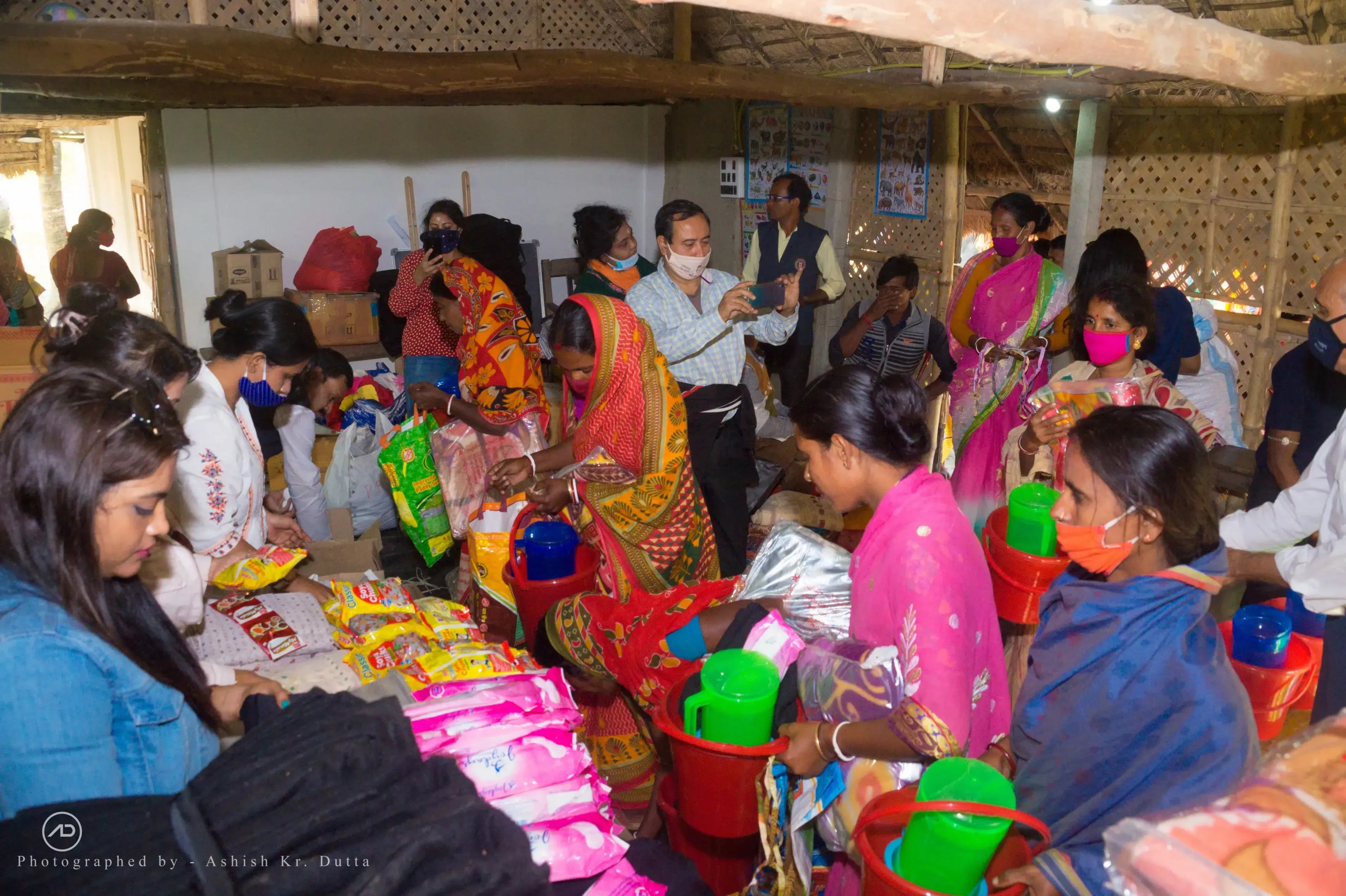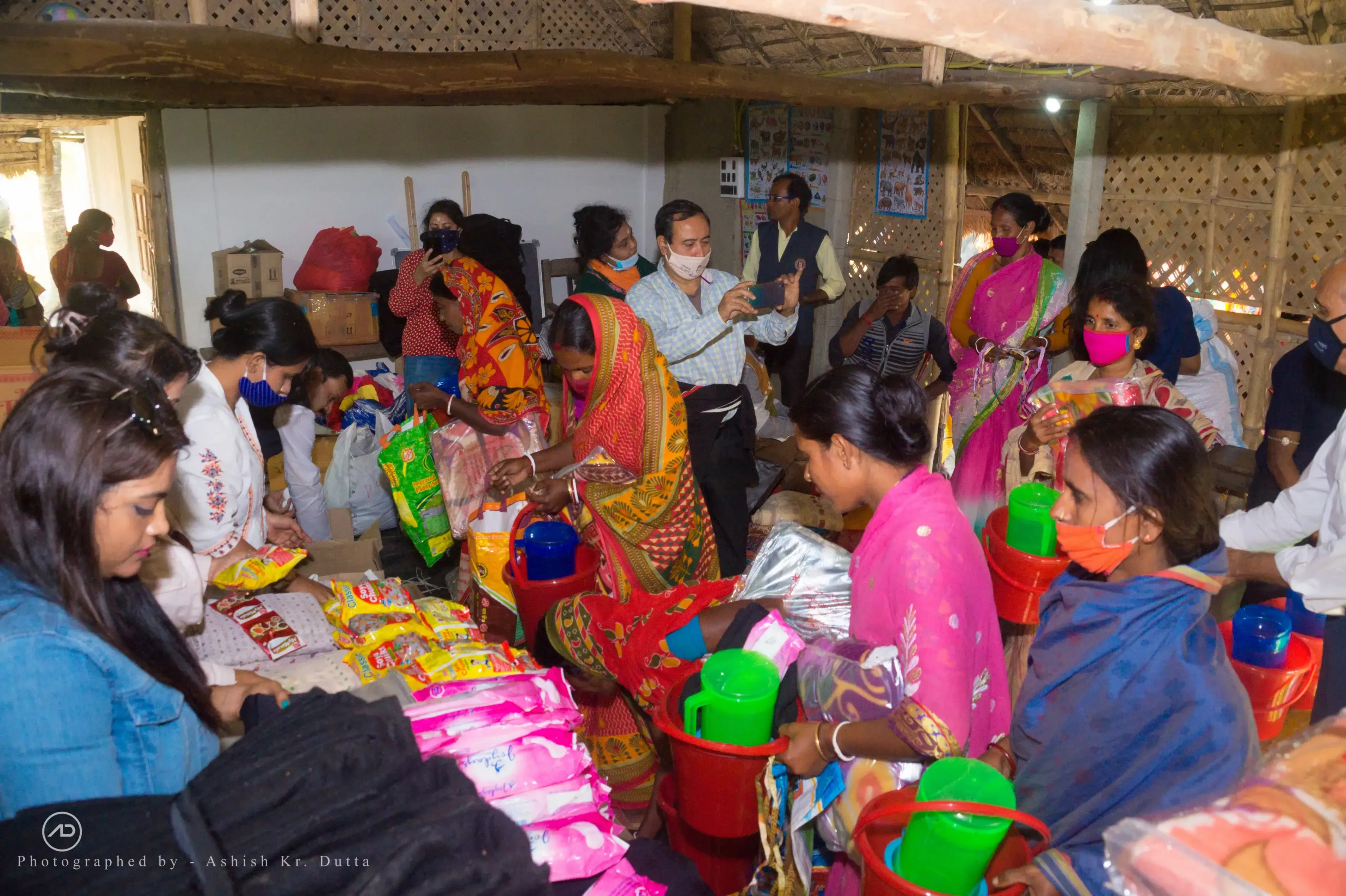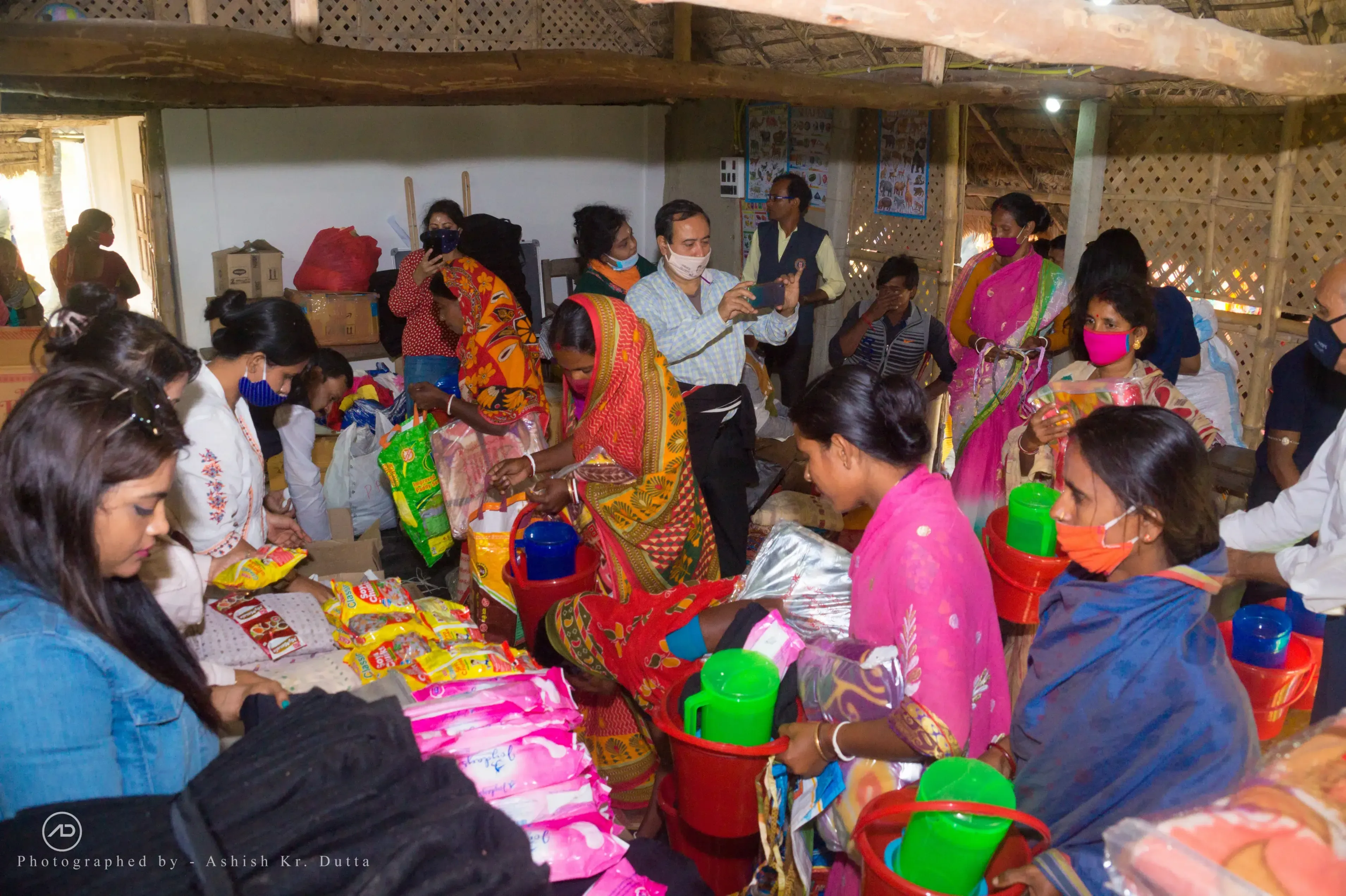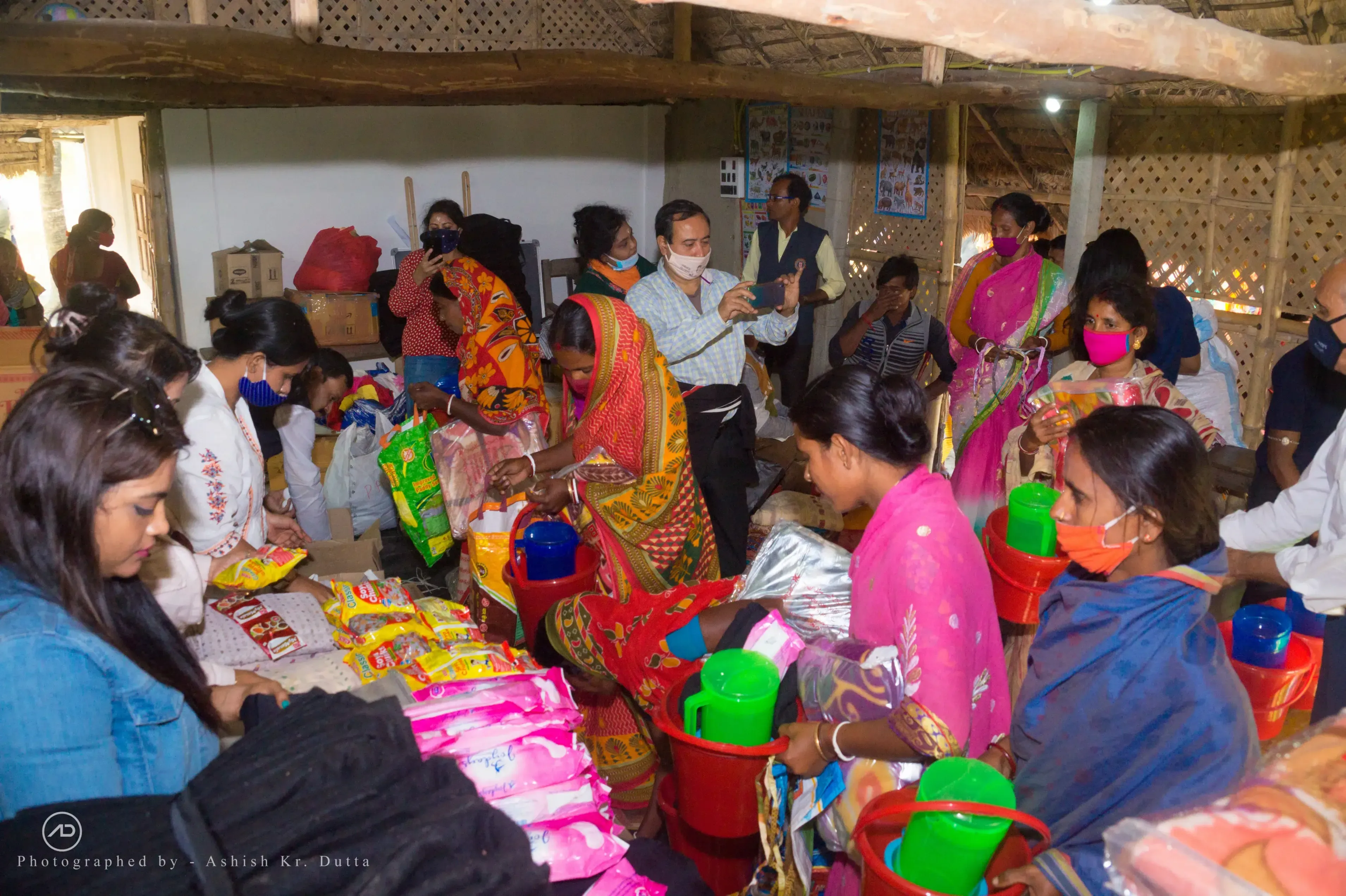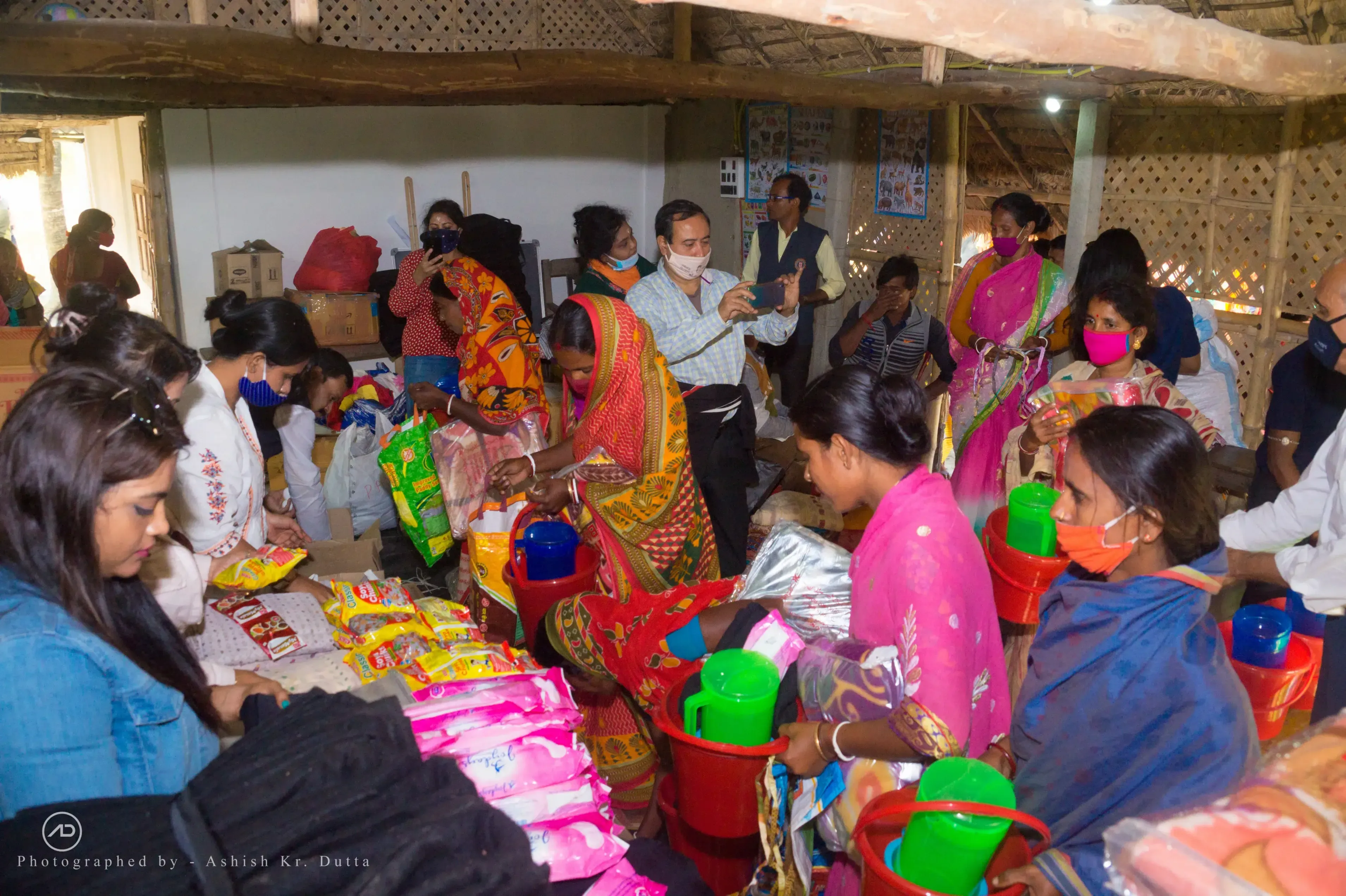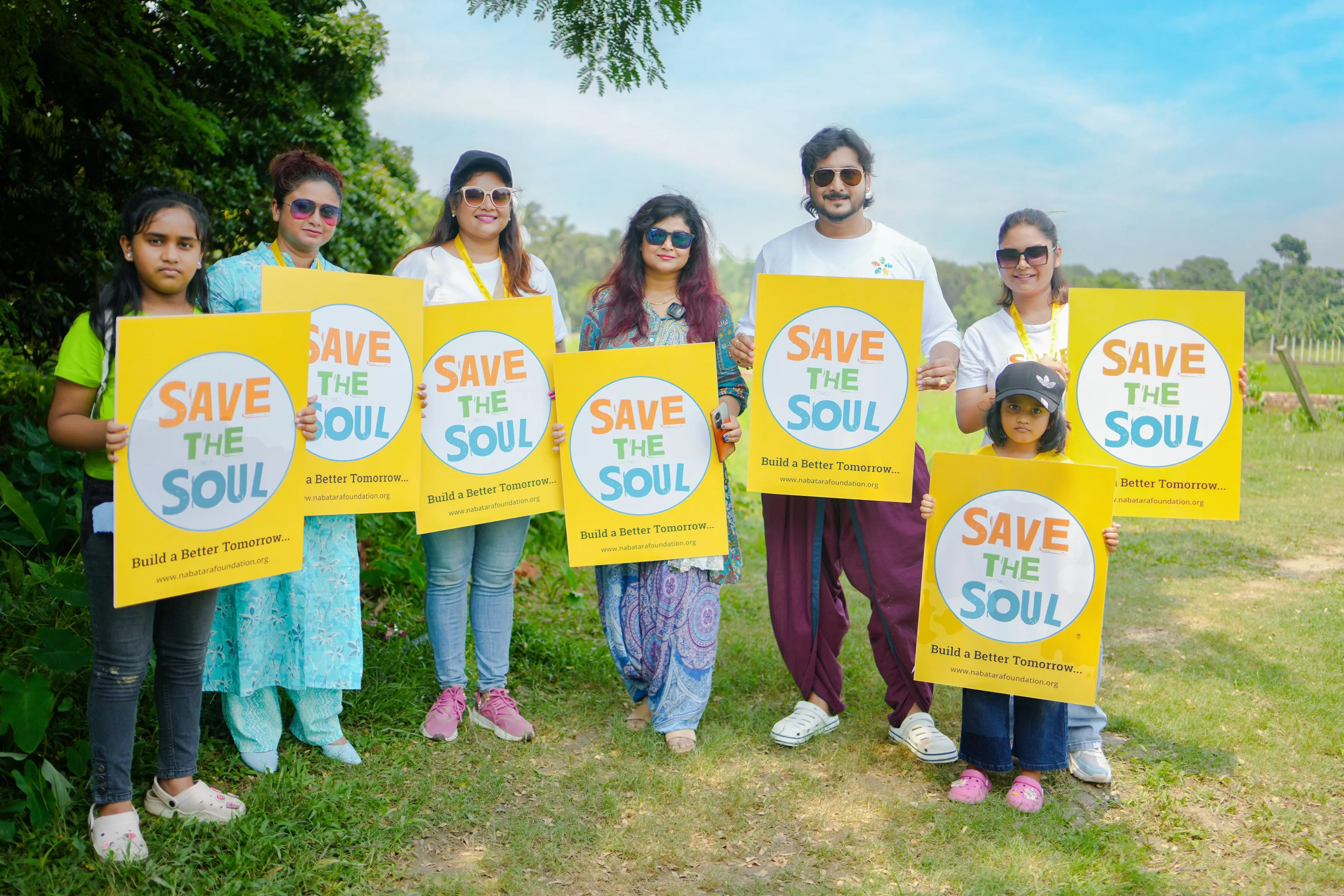


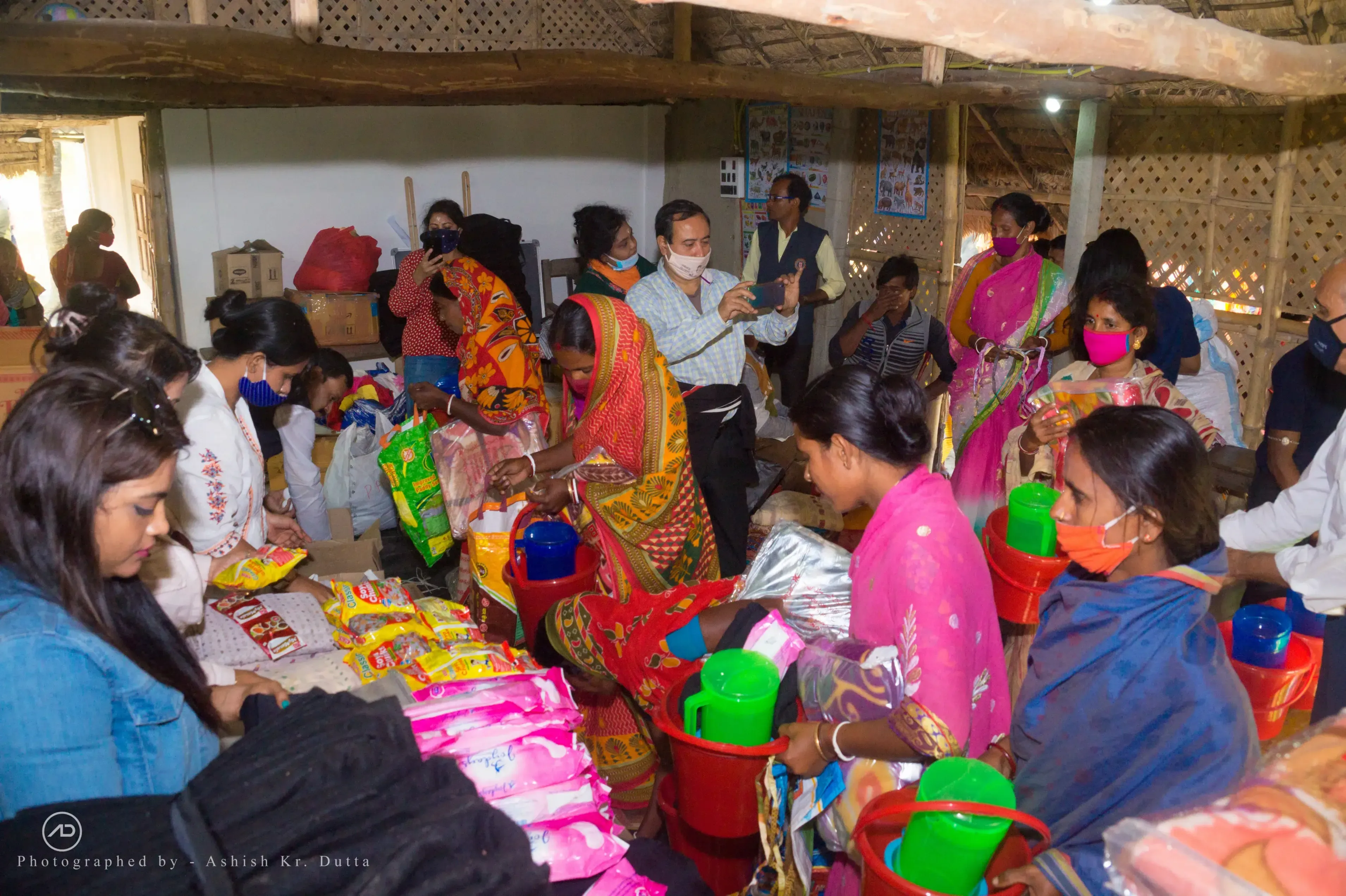
Through compassionate community service, Nabatara Foundation – Save The Soul, founded by Gaurav Tribedi, believes that providing food is not merely an act of charity—it is an act of restoring dignity. A nutritious meal can calm immediate distress, but when combined with encouragement, livelihood support, community participation, and long-term guidance, it can also become the beginning of lasting change. This story is about resilience, hope, and the belief that every person deserves the chance to live with dignity, contribute to society, and build a future where hunger no longer determines tomorrow.
The Human Reality
When Hunger Becomes an Everyday Reality
From Hunger to Hope – Building Lives with Dignity is more than a story about food. It is a story about people whose determination often exceeds the opportunities available to them. Across Kolkata and many parts of West Bengal, countless families wake before sunrise, not knowing whether they will be able to arrange enough food before the day ends. For many, the struggle extends far beyond a single missed meal. Hunger influences education, health, employment, confidence, and the ability to imagine a better future. Recognizing these interconnected challenges, Nabatara Foundation—Save The Soul, under the guidance of Gaurav Tribedi, approaches food support as the first step in rebuilding stability rather than the final destination.
Many households survive on irregular wages earned through daily labor, informal work, seasonal employment, domestic assistance, or small street businesses. An unexpected illness, heavy rainfall, rising prices, or the loss of a single day's income can immediately affect a family's ability to purchase food. Parents frequently reduce their own meals so that children can eat first, while elderly family members quietly accept smaller portions without complaint. These realities often remain invisible to the wider public because people experiencing hardship usually carry themselves with remarkable dignity despite difficult circumstances.
The Hidden Faces Behind Food Insecurity
Hunger does not always look the way people imagine. It is not confined to one neighborhood or one economic group. Some families live in temporary settlements, while others reside in rented rooms where nearly every rupee earned goes toward keeping a roof overhead. Elderly individuals living alone may struggle to prepare nutritious meals. Persons with disabilities often encounter barriers to stable employment. Women raising children without dependable financial support shoulder enormous responsibility while trying to maintain hope within their households.
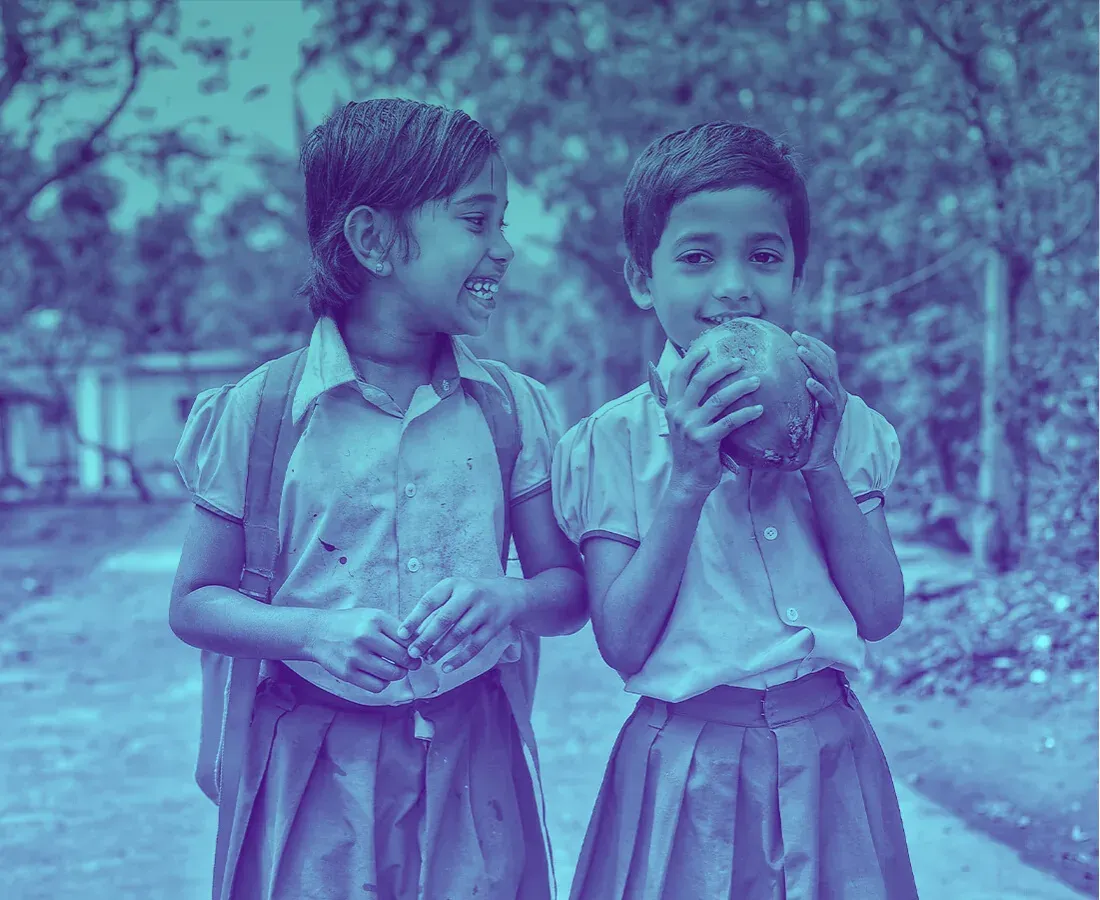
Children often become the quiet witnesses to these circumstances. They may attend school without breakfast, struggle to concentrate during lessons, or return home uncertain about dinner. Their aspirations remain strong, yet inadequate nutrition can affect physical growth, learning capacity, and emotional well-being. Hunger rarely exists in isolation; it influences every aspect of daily life.
Within these communities, the challenge is not a lack of determination. Many people work tirelessly whenever opportunities arise. The real difficulty lies in inconsistent income, limited access to social protection, rising living costs, health emergencies, and circumstances beyond individual control. Addressing hunger therefore requires compassion combined with practical community support.
Dignity Matters as Much as Food
One of the defining principles of the Nabatara Foundation is that every person deserves to receive support with dignity and respect. Assistance should never diminish an individual's sense of self-worth. Whether distributing essential groceries, providing daily necessities, or connecting families with livelihood opportunities, every interaction is guided by empathy rather than sympathy.
Receiving food assistance can be emotionally difficult for individuals who have spent their lives supporting others. Many people express hesitation before accepting help because they value independence and self-respect. Recognizing this reality, community volunteers prioritize listening before acting. Conversations often begin not with questions about poverty but with questions about well-being, family, health, and aspirations.
These relationships create trust. Trust allows people to discuss challenges honestly. Honest conversations make meaningful support possible.
Understanding Antyodaya Through Everyday Service
The philosophy of Antyodaya, meaning the upliftment of the last person in society, reminds us that genuine progress is measured by how communities care for those who have the fewest resources and opportunities. Although rooted in Indian social thought, Antyodaya carries a universal message: development becomes meaningful only when everyone has an opportunity to participate.
For Nabatara Foundation, this principle is reflected through practical community engagement rather than symbolic gestures. Food support becomes one way of ensuring that vulnerable individuals are not left behind during periods of hardship. Every family reached represents a reminder that social progress begins by recognizing shared humanity.
Seva: Compassion Expressed Through Action
Another guiding value is Seva, a Sanskrit word describing selfless service performed without expecting recognition or personal reward. For international readers unfamiliar with the term, "seva" represents compassionate action motivated by concern for the well-being of others. It encourages individuals to contribute according to their abilities while respecting the dignity of those receiving assistance.
Volunteers, donors, community members, healthcare professionals, educators, and local supporters all become participants in this shared spirit of service. Their contributions may differ, yet together they create opportunities that would not exist through individual effort alone.
Dharma and Shared Responsibility
The concept of "dharma" can be understood as one's responsibility to act ethically and contribute positively to society. Rather than viewing hunger solely as someone else's problem, Dharma encourages communities to recognize a shared responsibility toward collective well-being.
When neighbors support neighbors, when local businesses contribute resources, when volunteers dedicate time, and when organizations coordinate meaningful assistance, the burden carried by vulnerable families becomes lighter. Sustainable social progress depends upon this collective sense of responsibility rather than isolated acts of generosity.
Kalyan and Collective Well-Being
The Sanskrit word "Kalyan" refers to the well-being and prosperity of individuals as well as society as a whole. A community cannot truly flourish while many of its members continue facing chronic hunger and insecurity. Collective wellbeing emerges when every child has access to nutritious food, every elderly person receives care with dignity, every woman can pursue economic independence, and every individual is given the opportunity to participate in community life.
This understanding influences how Nabatara Foundation approaches humanitarian service. Rather than separating immediate relief from long-term development, both become connected steps toward creating healthier and stronger communities.
The Emotional Weight Carried by Families
Food insecurity affects emotional well-being as deeply as physical health. Parents frequently describe the quiet anxiety that accompanies uncertain income. They worry about school fees, medicine, rent, electricity, transportation, and daily meals simultaneously. Even after working long hours, many return home uncertain whether their earnings will cover essential household expenses.
Elderly individuals often hesitate to ask for assistance because they fear becoming a burden to relatives. Young adults searching for employment may experience discouragement after repeated setbacks. Women balancing caregiving responsibilities and informal employment often carry invisible emotional burdens while continuing to support their families with remarkable resilience.
These experiences remind us that humanitarian work must address emotional dignity alongside practical needs. A respectful conversation, reassurance during difficult times, and consistent community presence can be just as meaningful as material assistance.
Listening Before Providing Solutions
Every community possesses strengths, traditions, and local knowledge that deserve recognition. Effective humanitarian work begins by listening carefully before proposing solutions. Families understand their own priorities better than anyone else. Some require temporary food assistance after a medical emergency. Others seek opportunities for stable employment, vocational training, educational support for children, or help accessing essential government services.
By understanding each situation individually, assistance becomes more responsive and more sustainable. This approach strengthens trust while ensuring that resources are directed where they are most needed.
Food Security as the First Step Toward Stability
Food security means more than having enough to eat today. It means having reliable access to nutritious food tomorrow, next month, and throughout changing circumstances. When households experience greater food security, parents can concentrate more effectively on employment, children attend school with improved energy, elderly individuals maintain better health, and families gain space to plan for the future rather than simply surviving the present.
This is why emergency assistance and long-term development are closely connected. Meeting immediate nutritional needs creates the foundation upon which education, healthcare, livelihood support, financial resilience, and community participation can gradually grow.
Every individual has potential beyond circumstances.
Perhaps the most important lesson learned through community engagement is that hardship does not define human potential. Behind every request for assistance is a person with skills, aspirations, memories, relationships, and dreams. Hunger may interrupt opportunity, but it does not erase ability, determination, or hope.
At Nabatara Foundation – Save The Soul, founded by Gaurav Tribedi, humanitarian service begins with recognizing this potential. Food support represents an immediate response to urgent need, yet the larger vision remains helping individuals and families regain stability, confidence, and opportunities to shape their own futures with dignity. Every meal shared becomes a reminder that compassionate communities can help transform uncertainty into possibility—one family, one neighborhood, and one act of kindness at a time.
The Pillars of Change
Looking Beyond an Empty Plate
Hunger is often described as the absence of food, yet for many families it represents the visible outcome of several interconnected challenges. Limited employment opportunities, irregular income, rising living costs, health emergencies, displacement, lack of access to education, and social exclusion can gradually push households into food insecurity. Addressing only the immediate need without understanding these underlying realities may provide temporary relief, but lasting change requires a broader perspective.
At Nabatara Foundation, every interaction with a family begins with listening. Community members are encouraged to share their experiences, priorities, and aspirations. Some families need emergency grocery support after a medical crisis, while others seek assistance after losing seasonal employment or facing unexpected financial hardship. Understanding these individual circumstances helps ensure that support is thoughtful, respectful, and responsive rather than uniform.
This approach reflects a simple belief: every person deserves to be seen as an individual with strengths, hopes, and potential—not merely as someone facing hardship. By recognizing both immediate needs and long-term goals, humanitarian efforts can become more meaningful and sustainable.
Understanding the Roots of Food Insecurity
Food insecurity rarely develops overnight. For many households across Kolkata, rural West Bengal, and underserved communities, it evolves gradually as one challenge leads to another. A daily wage worker who misses several days of employment because of illness may exhaust household savings. Parents might postpone medical treatment to purchase groceries. Small business owners affected by economic uncertainty may struggle to maintain steady income. Families supporting elderly relatives or members with disabilities often encounter additional financial pressures.
These circumstances demonstrate that hunger is closely connected to economic resilience. When income becomes uncertain, every essential expense competes for limited resources. Rent, healthcare, transportation, education, and food all become difficult decisions rather than routine necessities.
Recognizing these realities allows Nabatara Foundation to approach humanitarian work with greater empathy. Rather than viewing hunger as an isolated issue, it is understood as part of a broader cycle that requires practical support, community collaboration, and opportunities for long-term stability.
Communities Hold the Strength to Create Change
One of the greatest lessons learned through grassroots engagement is that meaningful progress is rarely achieved by organizations working alone. Sustainable change grows when local communities actively participate in identifying needs, supporting one another, and sharing responsibility for collective well-being.
Residents often possess valuable knowledge about vulnerable households, elderly individuals living alone, families experiencing sudden hardship, or children requiring educational support. Community volunteers, local leaders, educators, healthcare professionals, and neighborhood groups become essential partners in ensuring that assistance reaches people with dignity and fairness.
When communities participate in humanitarian initiatives, relationships become stronger, trust deepens, and solutions become more relevant to local realities. This collaborative approach encourages people not only to receive support when necessary but also to contribute whenever circumstances allow, creating a cycle of shared responsibility and mutual care.
Nutrition as the Foundation of Opportunity
A nutritious meal provides more than physical nourishment. It creates the conditions necessary for learning, working, healing, and participating fully in community life. Children who receive adequate nutrition are better able to concentrate in school. Adults have greater energy to pursue employment opportunities. Elderly individuals often experience improved overall well-being, while families gain a sense of stability during difficult periods.
Food support therefore becomes an investment in human potential. It enables individuals to focus on rebuilding their lives instead of constantly worrying about their next meal. This shift from survival to stability often marks the beginning of wider personal and community development.
Supporting Families Through Difficult Transitions
Many households encounter periods of temporary crisis rather than permanent poverty. A sudden accident, prolonged illness, loss of employment, or natural disaster can quickly disrupt financial security. During such moments, timely assistance helps families recover before hardship becomes long-term deprivation.
Providing essential groceries, daily necessities, and compassionate guidance during these transitions helps reduce immediate pressure while creating space for families to regain stability. Small interventions delivered at the right time often prevent larger challenges from developing in the future.
This philosophy reinforces the importance of early community support. Helping families navigate temporary setbacks contributes to stronger, more resilient neighborhoods where people have greater confidence in facing future challenges.
Connecting Immediate Relief with Long-Term Development
Effective humanitarian work recognizes that emergency assistance and long-term development should complement one another. While food distribution addresses urgent needs, additional initiatives can gradually expand opportunities for individuals and families seeking greater self-reliance.
Within this broader vision, community-based efforts such as a Digital Classroom Initiative can help children strengthen educational foundations, while Women Skill Building Centers may encourage economic participation and confidence among women seeking new livelihood opportunities. These examples illustrate how different programs can work together, creating pathways that extend beyond immediate relief.
Similarly, healthcare outreach initiatives contribute by helping families address medical concerns before they become overwhelming financial burdens. Preventive healthcare, health awareness, and timely referrals can strengthen household resilience and improve quality of life.
These complementary programs demonstrate how humanitarian service can gradually support individuals across multiple aspects of daily life rather than focusing on a single challenge in isolation.
The Role of Livelihood Support
Reliable income remains one of the most effective safeguards against recurring food insecurity. Many people possess valuable skills but lack access to stable employment, vocational guidance, or opportunities to expand small enterprises. Others require temporary support while rebuilding livelihoods after unexpected setbacks.
Wherever possible, livelihood support encourages individuals to move toward greater financial independence. Whether through skill enhancement, community networking, or guidance toward sustainable income opportunities, such efforts recognize that long-term food security is closely connected to dignified employment.
This perspective aligns with the belief that humanitarian service should strengthen people's ability to shape their own futures. Assistance becomes most meaningful when it empowers individuals to regain confidence, rebuild stability, and participate fully within their communities.
The Importance of Volunteer Networks
No humanitarian organization succeeds without the generosity of people who choose to contribute their time, skills, and compassion. A dedicated volunteer network creates opportunities for citizens from different backgrounds to participate in meaningful community service while learning directly from local experiences.
Volunteers often assist with food distribution, community outreach, beneficiary identification, awareness campaigns, educational activities, and logistical support. Equally important, they become trusted listeners who help build relationships with families over time.
These interactions frequently transform volunteers themselves. Many gain a deeper appreciation for resilience, gratitude, and the importance of collective responsibility. Through consistent engagement, volunteering becomes not only an act of service but also a journey of personal growth and social understanding.
Community Nutrition as Shared Responsibility
Good nutrition cannot be sustained through food assistance alone. It also depends upon awareness, community participation, local partnerships, and access to healthy food choices whenever possible. Programs that encourage community nutrition promote practical knowledge about balanced diets, child nutrition, maternal well-being, and healthy eating habits within available resources.
When communities share knowledge alongside resources, families become better equipped to make informed decisions about health and nutrition. This educational component strengthens the long-term value of humanitarian assistance while supporting healthier future generations.
Building Trust Through Transparency
Trust is one of the most valuable resources any nonprofit organization can earn. Families, volunteers, donors, and community partners all seek reassurance that humanitarian efforts are guided by integrity, accountability, and respect.
Nabatara Foundation recognizes that transparency extends beyond financial responsibility. It includes open communication, ethical decision-making, careful identification of community needs, respectful interactions with beneficiaries, and continuous learning from local experiences.
Communities are more likely to participate actively when they feel heard, respected, and included in the process. Likewise, donors gain greater confidence when they understand that their support contributes toward carefully planned initiatives focused on sustainable social well-being rather than short-term visibility.
A Trusted NGO in Kolkata and India
As a humanitarian organization committed to compassionate community service, Nabatara Foundation continues working alongside individuals, volunteers, local communities, and supporters who share the vision of a more inclusive society. Its efforts across Kolkata and other parts of India reflect an ongoing commitment to addressing immediate needs while encouraging opportunities for long-term growth and dignity.
Rather than measuring success solely by the number of meals distributed or supplies delivered, the Foundation values deeper indicators of progress: stronger communities, renewed confidence, improved access to opportunities, and families gradually moving toward greater stability. These outcomes may develop over time, but they represent the lasting impact that thoughtful humanitarian work seeks to achieve.
Hope Grows Through Collective Action
Every contribution—whether a donated grocery kit, volunteer hour, professional skill, community partnership, or act of encouragement—becomes part of a larger story of hope. Individual efforts may appear small in isolation, yet together they create meaningful opportunities for people facing difficult circumstances.
When compassion is combined with careful planning, community participation, and a commitment to dignity, immediate relief becomes the beginning of something much greater. Families gain breathing space to recover. Children continue their education with renewed confidence. Elderly individuals experience care with respect. Women explore new livelihood opportunities. Communities become more resilient because they know they are not facing hardship alone.
These are the true pillars of change—not temporary acts of assistance, but enduring relationships built on trust, shared responsibility, and the belief that every individual deserves the opportunity to move from hunger toward hope with dignity intact.
Beyond Charity
From Immediate Support to Sustainable Empowerment
Food assistance is often the first response when a family faces severe hardship, but true humanitarian work cannot end with a single distribution. A packet of groceries, essential supplies, or a prepared meal can provide immediate relief, yet the larger goal is to help individuals and families move toward stability, confidence, and self-reliance. This understanding forms the foundation of how Nabatara Foundation approaches community support.
Hunger is not only about the absence of food. It is often connected to unemployment, limited access to skills, health challenges, social barriers, and a lack of opportunities. When these deeper concerns remain unresolved, families may repeatedly experience the same difficulties. Sustainable support focuses on reducing these vulnerabilities while respecting the choices, abilities, and aspirations of every individual.
Through compassionate engagement, Nabatara Foundation believes that charity should create possibilities rather than dependency. The purpose of assistance is to provide a foundation from which people can rebuild their lives, regain confidence, and work toward greater independence.
The Difference Between Relief and Empowerment
Relief responds to an immediate crisis. Empowerment prepares individuals to face future challenges with greater strength. Both are important, but they serve different purposes. A family experiencing hunger may urgently need food support today while also requiring opportunities that can help them secure a more stable tomorrow.
This balance between immediate care and long-term development reflects a deeper understanding of human dignity. People do not want to be defined by their difficulties. They want opportunities to contribute, earn, learn, care for their families, and participate meaningfully within society.
For this reason, humanitarian programs must look beyond the visible signs of poverty and recognize the potential within every person. Support becomes more powerful when it helps individuals discover pathways toward independence.
Creating Pathways Through Livelihood Opportunities
Stable livelihoods play a central role in building food security. When individuals have access to reliable income opportunities, families are better positioned to manage daily expenses, invest in education, seek healthcare, and prepare for unexpected challenges.
Many people living in underserved communities already possess valuable abilities. Some have traditional skills, practical knowledge, craftsmanship experience, or entrepreneurial ideas. However, limited resources, lack of market access, inadequate training, or difficult personal circumstances can prevent these abilities from becoming sustainable sources of income.
Livelihood support aims to bridge this gap by encouraging skill development, confidence building, and access to opportunities. The journey toward independence may look different for every person. For some, it may involve learning new skills. For others, it may involve strengthening an existing occupation or receiving guidance to improve financial stability.
The objective is not simply to provide assistance but to create conditions where individuals can participate actively in shaping their own futures.
Skill Development as a Foundation for Confidence
Skills create more than economic opportunities. They also build confidence, self-respect, and a sense of personal achievement. When individuals learn something new or improve existing abilities, they often experience a renewed belief in their own potential.
Skill development initiatives can support communities by encouraging practical learning connected to real opportunities. Whether through vocational knowledge, digital awareness, entrepreneurship guidance, or workplace readiness, education beyond traditional classrooms can help individuals navigate changing economic environments.
For women, skill development can be especially meaningful. Many women in vulnerable communities carry significant family responsibilities while having limited access to independent income sources. Opportunities through women's skill-building centers can help women explore their abilities, strengthen financial confidence, and contribute more actively to household decisions.
Women Empowerment and Household Stability
Women often play a central role in maintaining family well-being. Their contributions extend beyond financial responsibilities to include caregiving, education support, emotional strength, and community relationships. When women gain access to skills and economic opportunities, the positive impact often reaches entire households.
Financial independence can help women make important decisions regarding nutrition, children's education, healthcare, and future planning. It can also strengthen their confidence to participate in community discussions and seek opportunities previously considered unreachable.
Empowerment is not about changing who people are; it is about removing barriers that prevent them from expressing their abilities. A supportive environment allows women to transform their existing strengths into meaningful opportunities.
Education: Breaking the Cycle of Vulnerability
Food security and education are deeply connected. A child who experiences hunger may struggle to focus, participate, or continue learning consistently. Supporting families with essential needs can therefore create the foundation for children to pursue education with greater confidence.
Education provides children with knowledge, critical thinking abilities, and opportunities to imagine futures beyond current circumstances. A child supported today may become tomorrow's teacher, healthcare worker, entrepreneur, or community leader.
Through initiatives such as the Digital Classroom Initiative, communities can gain access to additional learning opportunities that complement traditional education. Digital awareness can help students explore information, develop new skills, and prepare for a world where technology increasingly influences education and employment.
Healthcare Support for Stronger Families
Poverty and health challenges often reinforce each other. A medical emergency can create financial stress, while financial hardship can delay necessary healthcare. Families may postpone treatment because they fear expenses, travel difficulties, or loss of income during recovery periods.
Healthcare support therefore becomes an important part of community empowerment. Through healthcare outreach, awareness, assistance, and access to basic healthcare resources can help vulnerable individuals address health concerns with greater confidence.
A healthier family is better positioned to pursue education, employment, and personal development. Healthcare is not only about treating illness; it is about protecting people's ability to participate fully in life.
Supporting Communities During Crisis
Communities facing hardship often become even more vulnerable during natural disasters, economic disruptions, or unexpected emergencies. During such moments, timely assistance can prevent families from falling deeper into insecurity.
Disaster relief initiatives represent the importance of collective compassion during difficult times. Emergency supplies, essential resources, and community coordination can help affected families recover with greater dignity.
However, recovery does not end once the immediate crisis passes. Long-term support may be necessary to help communities rebuild livelihoods, restore confidence, and regain stability.
Accessibility and Inclusion for Every Individual
A truly inclusive society recognizes that different people experience different barriers. Persons with disabilities, elderly individuals, and socially vulnerable groups often face challenges that extend beyond financial hardship. Accessibility, respect, and equal opportunity are essential components of meaningful social development.
Support systems must recognize individual abilities rather than focusing only on limitations. With appropriate encouragement, resources, and opportunities, many individuals facing physical or social barriers can contribute significantly to their families and communities.
Inclusion means ensuring that every person has a place, a voice, and the opportunity to participate with dignity.
Building Environmentally Responsible Communities
Human well-being is closely connected with the health of the environment. Communities affected by economic challenges are often among those most vulnerable to environmental problems, including climate-related disruptions, reduced natural resources, and changing agricultural conditions.
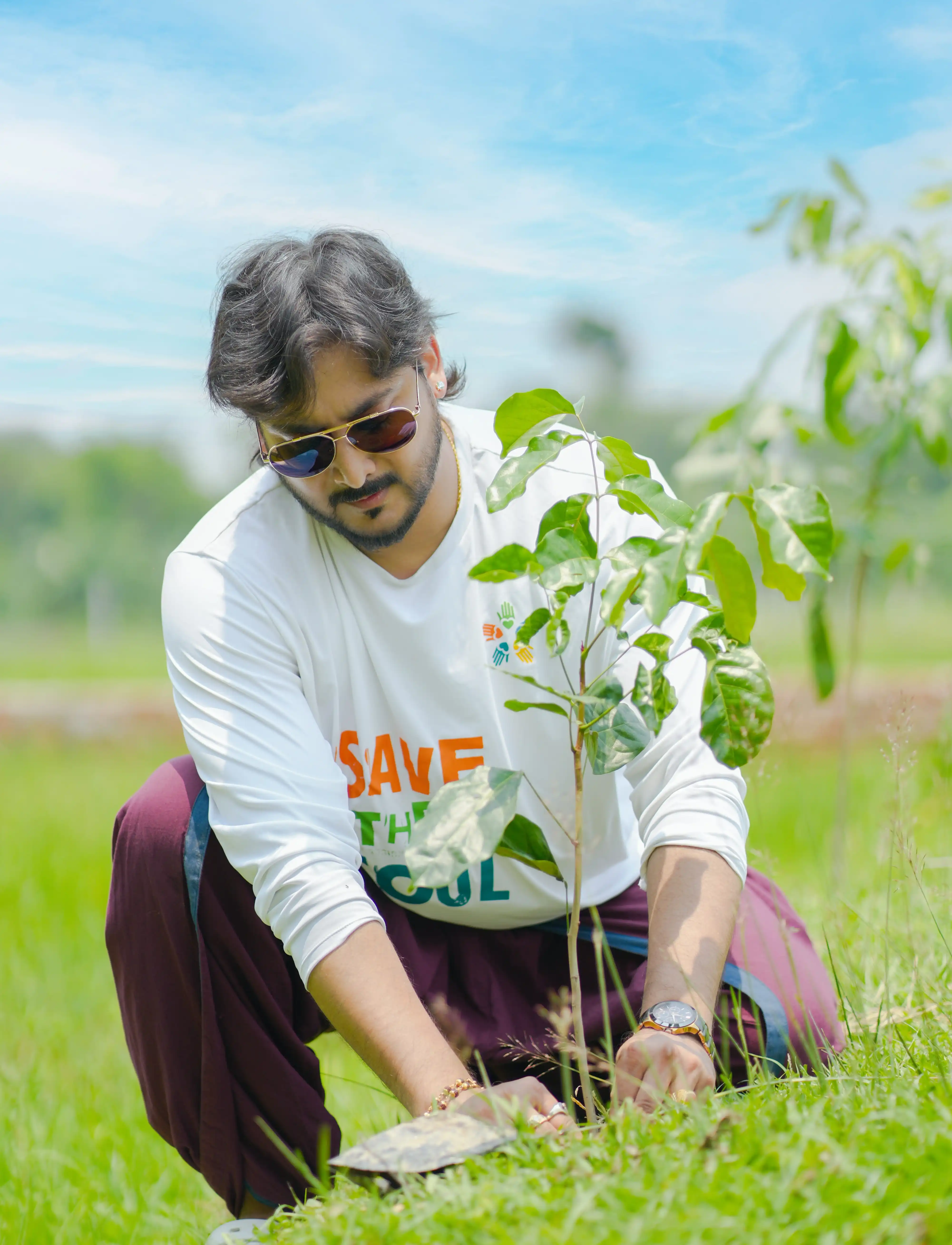
Environmental responsibility therefore becomes part of sustainable community development. Activities such as tree planting, awareness programs, and green livelihood opportunities encourage communities to protect natural resources while creating healthier surroundings for future generations.
A planted tree represents more than environmental action. It represents patience, responsibility, and hope for a future where communities and nature grow together.
Creating Self-Reliant Communities
Self-reliance does not mean that people should face challenges alone. It means communities have access to the knowledge, resources, networks, and confidence required to overcome difficulties while receiving support when needed.
The journey from hunger toward stability requires collaboration among families, nonprofit organizations, volunteers, donors, local communities, and responsible institutions. Each participant contributes a different strength, creating a stronger foundation for collective progress.
Through this approach, humanitarian work becomes a partnership rather than a one-way relationship. Communities are not passive recipients of support; they are active participants in creating solutions.
Community Ownership Creates Lasting Impact
The most meaningful transformations occur when communities feel ownership over their progress. When local people participate in identifying challenges, implementing solutions, and supporting one another, positive changes become more sustainable.
Community ownership encourages accountability and strengthens relationships. It allows programs to adapt according to real needs rather than following a fixed approach that may not suit every situation.
This philosophy guides the work of the Nabatara Foundation, where compassion is combined with practical action, community understanding, and a commitment to long-term well-being.
A Holistic Vision for Social Transformation
The journey from hunger to hope requires more than addressing one challenge at a time. Food, shelter, education, healthcare, employment, environment, and emotional well-being are deeply connected. Progress in one area often supports progress in another.
By connecting immediate assistance with empowerment opportunities, Nabatara Foundation works toward a vision where vulnerable families are not only supported during difficult moments but also encouraged to build stronger futures.
[[Internal Link: Nabatara Foundation Core Initiatives & Programs]]
Beyond charity lies a deeper commitment: helping individuals rediscover confidence, communities strengthen resilience, and families move forward with dignity. Every act of support becomes part of a larger effort to create opportunities where hope can grow and where every person has the chance to build a meaningful future.
Walking with the Vision
A Vision Rooted in Compassion and Service
Behind every humanitarian initiative is a belief that shapes its direction. For the Nabatara Foundation—Save The Soul, that belief is rooted in compassion, dignity, and the responsibility to serve humanity. The journey of supporting vulnerable communities is not simply about responding to hardship; it is about standing beside individuals and families as they work toward a more secure and hopeful future.
Founded by Gaurav Tribedi, Nabatara Foundation represents a vision where social service becomes a meaningful expression of care, responsibility, and collective well-being. His approach emphasizes that every person, regardless of economic circumstances, deserves respect, opportunity, and the chance to live with dignity.
The work of the Foundation reflects an understanding that communities do not need sympathy alone. They need partnership, encouragement, resources, and opportunities that help them strengthen their own capabilities. This philosophy guides every effort, from providing essential support during difficult times to creating pathways toward greater independence.
Gaurav Tribedi’s Humanitarian Philosophy
The foundation of Gaurav Tribedi's humanitarian vision is the belief that service begins with understanding. Before creating solutions, it is important to listen to people's experiences, recognize their challenges, and appreciate their resilience.
Many individuals facing hardship are already working hard to improve their circumstances. Their struggles often come from limited opportunities, unexpected difficulties, or circumstances beyond their control. A compassionate approach recognizes their strength instead of defining them by their challenges.
This perspective has influenced the Nabatara Foundation’s commitment to supporting communities through multiple areas of service, including food security, healthcare assistance, education support, women empowerment, rural development, elder care, disability inclusion, and livelihood opportunities.
For Gaurav Tribedi, social transformation is not created through temporary attention. It grows through consistent presence, responsible action, and genuine relationships with communities.
Service as a Journey of Human Connection
Humanitarian work is ultimately about people. Behind every request for support is a family with dreams, an elderly person seeking care, a child hoping for education, a woman searching for independence, or an individual trying to overcome barriers.
The Nabatara Foundation approaches every interaction with the understanding that dignity must remain at the center of service. Assistance is not about creating differences between those who give and those who receive. Instead, it is about creating connections where people support one another as members of a shared society.
This approach reflects the deeper meaning of Seva, where service becomes an expression of compassion and responsibility. It reminds us that helping others is not only about providing resources; it is also about offering respect, encouragement, and human connection.
Building Trust Through Consistent Community Presence
Trust is created over time. Communities experiencing hardship often encounter many uncertainties, and meaningful support requires patience, reliability, and continuous engagement.
Nabatara Foundation focuses on developing relationships that extend beyond one-time assistance. Understanding local realities, communicating respectfully, and remaining connected with communities help create stronger foundations for meaningful impact.
When people know they are being heard and respected, they become more comfortable sharing their needs and aspirations. This trust allows social initiatives to become more effective because they are shaped by real experiences rather than assumptions.
A Government-Registered NGO Working with Responsibility
Nabatara Foundation is a government-registered NGO committed to ethical humanitarian service and community development. Its legal framework reflects an organized approach toward creating social impact while maintaining accountability and responsible governance.
As a Section 8 organization, the Foundation operates with a focus on charitable objectives and social welfare rather than profit generation. This structure supports its commitment to directing efforts toward community well-being, empowerment, and inclusive development.
The organization understands that trust from donors, volunteers, and communities is earned through transparency, careful planning, and responsible implementation. Every program requires compassion as well as proper coordination to ensure that support reaches those who need it most.
The Role of Organized Humanitarian Action
Compassion creates the motivation to serve, but organized action creates the ability to serve effectively. Humanitarian programs require planning, teamwork, communication, and continuous improvement.
From identifying community needs to coordinating volunteers and managing resources, every step plays an important role in ensuring meaningful outcomes. A structured approach allows organizations to respond to challenges while maintaining respect for the communities they support.
Nabatara Foundation combines humanitarian values with organized systems to create programs that address immediate concerns while keeping long-term development in focus.
The Power of Volunteers in Social Change
Volunteers are an essential part of any community movement. They bring energy, skills, time, and personal commitment that strengthen humanitarian efforts.
Through the volunteer culture encouraged by Nabatara Foundation, individuals from different backgrounds can contribute to social welfare in meaningful ways. Some may support community outreach, some may assist during events, and some may share professional skills, while others may simply offer their time and compassion.
Every volunteer contribution represents a belief that positive change is a shared responsibility. When more people participate in serving communities, social impact becomes broader and more sustainable.
Spiritual Values Inspiring Social Responsibility
The name "Save The Soul" represents a deeper commitment to caring for humanity with compassion and awareness. While the Foundation serves practical needs such as food security, healthcare, and livelihood support, its larger purpose reflects the importance of kindness, empathy, and responsible living.
Spiritual values, when expressed through action, can encourage people to look beyond individual concerns and recognize their connection with society. Compassion becomes meaningful when it translates into real support for those experiencing difficulties.
For Gaurav Tribedi, humanitarian service represents a way to create harmony between inner values and social responsibility. Helping others becomes an opportunity to strengthen communities while promoting kindness and understanding.
Transparent Governance and Ethical Service
Responsible nonprofit work depends upon trust. Donors, volunteers, and beneficiaries all deserve confidence that programs are managed with honesty and care.
Nabatara Foundation values ethical practices, responsible resource management, and clear communication with stakeholders. Transparency is not only a requirement of good governance; it is also a reflection of respect toward every person connected with the mission.
When organizations operate with accountability, they create stronger relationships with communities and supporters. This trust becomes the foundation for long-term collaboration and sustainable impact.
Save The Soul’s Commitment to Humanity
Save The Soul charitable wing represents the humanitarian spirit of serving individuals and communities through compassion-driven initiatives. Its efforts focus on reaching people who require support while encouraging dignity, opportunity, and self-reliance.
The purpose is not simply to respond to visible challenges but to understand the human stories behind them. A family requiring food support, an elderly individual needing care, a child seeking educational opportunities, or a person looking for livelihood assistance each represents a unique journey deserving attention and respect.
Creating Partnerships for Greater Impact
Social challenges are complex, and lasting solutions require collaboration. NGOs, volunteers, donors, community members, businesses, and responsible institutions each have an important role to play.
Partnerships allow resources, knowledge, and skills to come together for a greater purpose. A donor may provide financial support, a volunteer may provide time and expertise, and a community member may provide valuable local understanding. Together, these contributions create stronger possibilities for change.
The Nabatara Foundation believes that collective action creates a more compassionate society where support systems become stronger and opportunities become more accessible.
Carrying the Vision Forward
The journey from hunger to hope is built through countless moments of compassion. A meal provided during a difficult period, guidance offered during uncertainty, or an opportunity created through skill development can become a turning point in someone's life.
The vision of Gaurav Tribedi and Nabatara Foundation continues to focus on creating pathways where individuals and communities can move beyond immediate struggles toward greater stability and confidence.
True social transformation requires patience, commitment, and collective effort. Walking with communities means celebrating progress, understanding challenges, and continuing the journey together. Through compassion, responsible service, and shared responsibility, the dream of a society where every person can live with dignity becomes a possibility worth working toward.
A Future Built Together
Hope Begins with Human Dignity
The journey from hunger to hope is not defined by one moment or one act of kindness. It is created through countless efforts that restore confidence, strengthen communities, and remind people that their lives have value. For families facing food insecurity, unstable livelihoods, and difficult circumstances, support is not only about receiving essential resources. It is about experiencing the respect, encouragement, and opportunity needed to move forward.
Nabatara Foundation believes that every individual deserves the opportunity to build a future with dignity. A family receiving food assistance today may be searching for employment tomorrow. A child supported with nutrition may continue education and develop new aspirations. An elderly person receiving care may regain a sense of belonging. Every person carries potential beyond their present challenges.
The purpose of humanitarian service is to create an environment where that potential can grow. When communities come together with compassion and responsibility, hardship does not have to define someone's entire journey.
Transformation Happens Step by Step
Social transformation is often gradual. It may begin with a simple act: a grocery package delivered during a difficult month, a conversation that restores confidence, guidance toward a livelihood opportunity, or a connection to essential services.
These moments may appear small, but for families experiencing uncertainty, they can create the stability needed to take the next step. When immediate worries become lighter, people gain the ability to focus on education, employment, health, and personal growth.
This is why Nabatara Foundation views food security as the beginning of a wider journey. A meal addresses an urgent need, but the hope created through that support can inspire further progress. The ultimate goal is not only to reduce hunger but also to help individuals and families build resilience and self-reliance.
A Community Where No One Feels Forgotten
Many people living with hardship experience a sense of invisibility. Their struggles may remain unnoticed because they continue working, caring for their families, and maintaining their responsibilities despite difficult conditions.
A compassionate society begins by recognizing these unseen struggles. It begins by asking how communities can ensure that vulnerable individuals are not left behind during challenging times.
Through community engagement, volunteer participation, and humanitarian initiatives, Nabatara Foundation works toward creating stronger connections between people. These connections remind individuals and families that they are valued members of society.
The Ripple Effect of Compassion
One act of support can influence many lives. When a family receives assistance during a difficult period, the impact often extends beyond that household. Children may continue their education. Parents may regain confidence to pursue work opportunities. Elderly family members may experience improved care and emotional support.
Similarly, when volunteers contribute their time, they often inspire others to participate. When donors support meaningful programs, they encourage wider awareness about social responsibility. When communities collaborate, they create stronger systems of care.
This ripple effect demonstrates that compassion is not limited to one individual or one organization. It grows when people choose to participate in creating a more inclusive society.
A Believable Journey of Renewed Hope
Consider the experience of a family in an underserved community near Kolkata. After facing a period of unstable income, the family struggled to manage daily meals along with essential household expenses. The uncertainty affected every aspect of their lives, creating stress and limiting their ability to plan for the future.
Through community support, the family received essential food supplies during their difficult period. This immediate assistance helped reduce their daily uncertainty and allowed them to focus on rebuilding stability. As circumstances improved, they explored opportunities to strengthen their income and become more financially secure.
The support they received was not simply about providing necessities. It represented encouragement during a challenging chapter and a reminder that difficult situations can change with the right support and opportunities.
This journey reflects the experiences of many families who require temporary assistance while working toward a more stable future. Behind every request for help is a story of determination, resilience, and hope.
The Role of Donors in Creating Possibilities
Every contribution from a donor becomes part of a larger humanitarian effort. Donations help organizations respond to immediate needs while developing programs that encourage long-term empowerment.
For families facing hunger, timely support can provide essential relief. For communities seeking development opportunities, consistent support can strengthen education, healthcare, livelihood assistance, and social well-being initiatives.
Responsible giving is not only about providing resources. It is about becoming part of a mission that values dignity, transparency, and sustainable progress.
When supporters choose to contribute to Nabatara Foundation, they participate in a collective effort to ensure that vulnerable communities receive care, encouragement, and opportunities for a better future.
Volunteers as Partners in Change
Volunteering represents one of the most meaningful ways individuals can contribute to social development. Time, skills, compassion, and commitment can create a lasting difference in the lives of people experiencing hardship.
Volunteers bring communities closer together. They help create awareness, support outreach activities, assist with program implementation, and build relationships based on trust and respect.
Beyond practical contributions, volunteers also carry an important message: people care, communities matter, and no individual should feel alone during difficult times.
Corporate and Community Partnerships for Greater Impact
Large-scale social challenges require collective responsibility. Partnerships between nonprofit organizations, businesses, community groups, and individuals can create stronger opportunities for sustainable development.
Corporate partnerships can contribute valuable resources, professional expertise, and long-term support toward initiatives focused on food security, education, healthcare, livelihood development, and community well-being.
Community partnerships provide local understanding and help ensure that programs remain connected with real needs. Together, these collaborations create a stronger foundation for meaningful and responsible social impact.
Building a Future Through Self-Reliance
The future of humanitarian work lies in creating communities where people have the confidence and resources to build their own pathways forward. Assistance remains essential during difficult periods, but empowerment creates lasting strength.
Self-reliance does not mean individuals must overcome challenges without support. Instead, it means creating access to opportunities, knowledge, skills, and networks that allow people to participate actively in improving their circumstances.
When families achieve greater stability, communities become stronger. When communities become stronger, society as a whole moves closer toward inclusive development.
A Shared Responsibility Towards Humanity
The challenges faced by vulnerable communities cannot be solved by one organization alone. They require compassion from individuals, commitment from institutions, and cooperation across society.
The journey from hunger to hope belongs to everyone. A donor, volunteer, community member, partner organization, or supporter sharing awareness can each contribute to creating meaningful change.
The responsibility of building a compassionate society does not depend only on those who provide assistance. It also depends on those who choose to notice, understand, and participate.
Continuing the Mission of Save The Soul
The mission of Save The Soul continues with the belief that every person deserves dignity, care, and opportunity. Through food assistance, essential support, livelihood encouragement, and community-based initiatives, the focus remains on helping people move toward greater stability.
The path ahead requires patience, dedication, and collective effort. Every family supported, every volunteer engaged, and every partnership created strengthens the possibility of a future where fewer people experience the uncertainty of hunger and more individuals have the opportunity to thrive.
Join the Journey from Hunger to Hope
Hunger is a challenge that affects individuals, families, and communities, but compassion has the power to create change. Every contribution matters. Every helping hand matters. Every effort to spread awareness matters.
By choosing to donate, volunteer, partner, or share this mission, you become part of a collective journey toward dignity and self-reliance. Your support can help provide immediate assistance to families facing hardship while contributing to long-term opportunities that strengthen communities.
Together, we can help ensure that vulnerable individuals are not defined by their struggles but supported in discovering their strength, abilities, and possibilities.
To learn more, support ongoing initiatives, become a volunteer, or collaborate with the Nabatara Foundation, visit savethesoul.in. Every act of compassion brings hope closer to those who need it most. Together, we can continue building a future where food security, dignity, opportunity, and self-reliance become realities for more individuals and families.