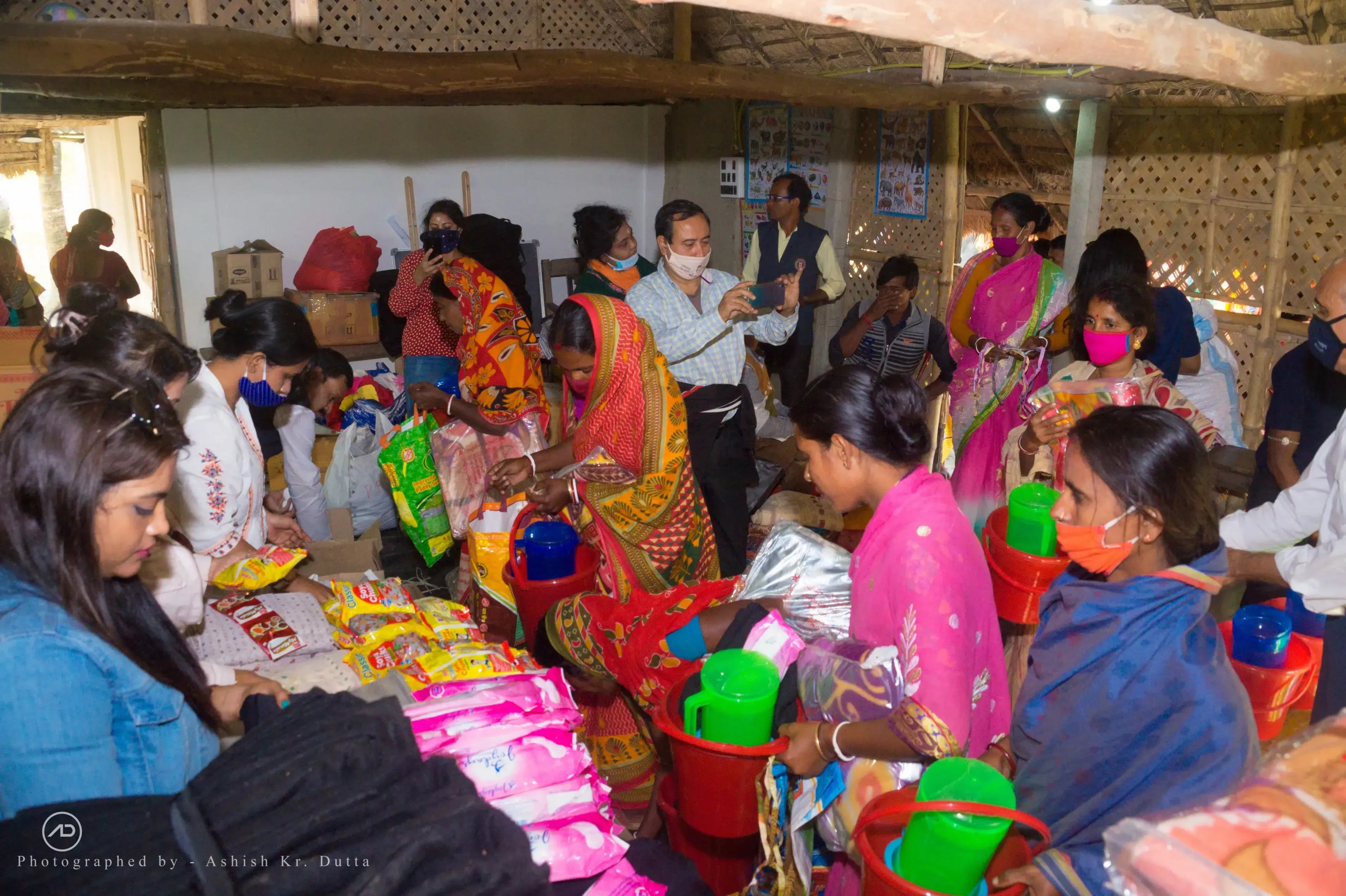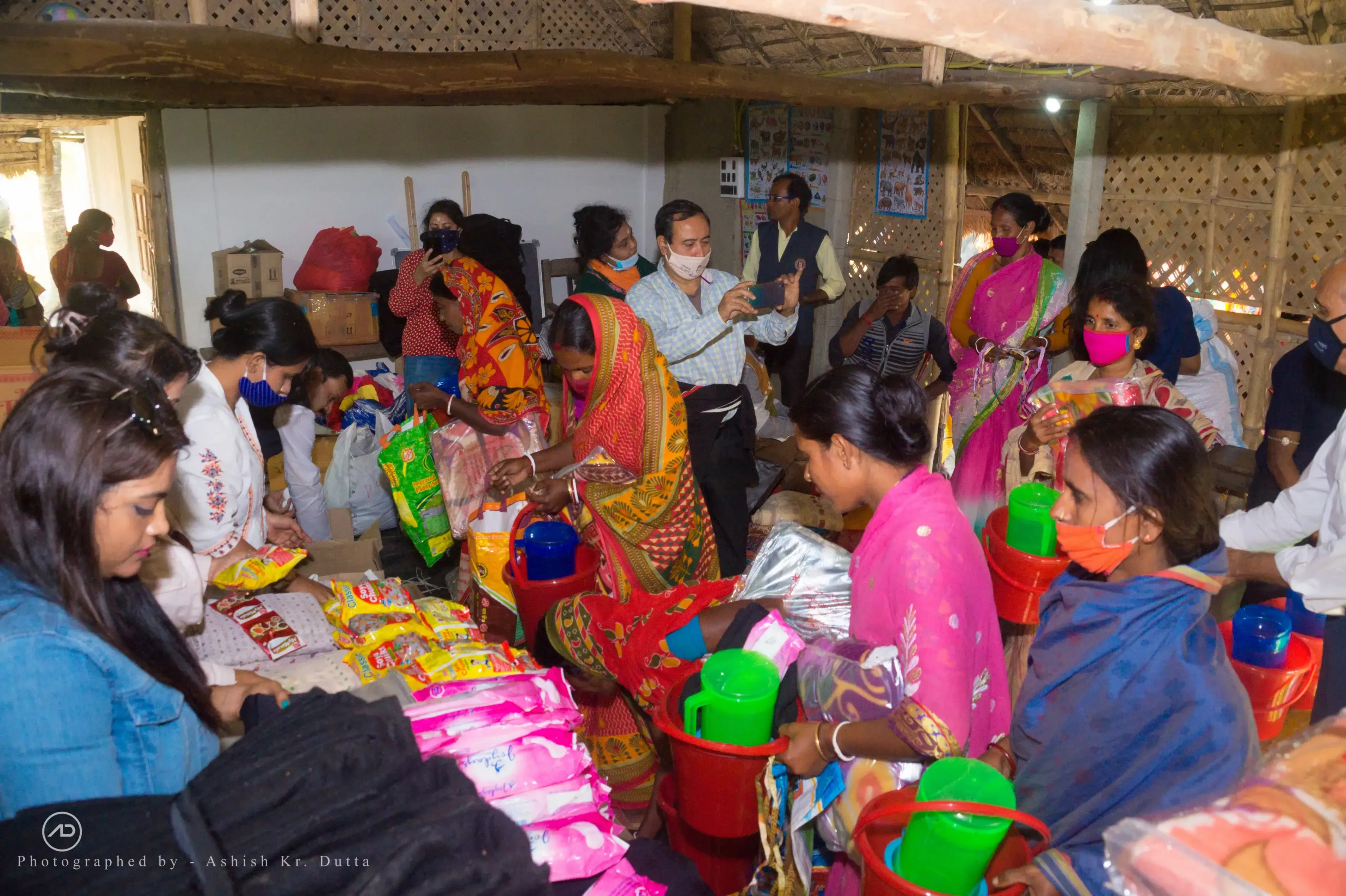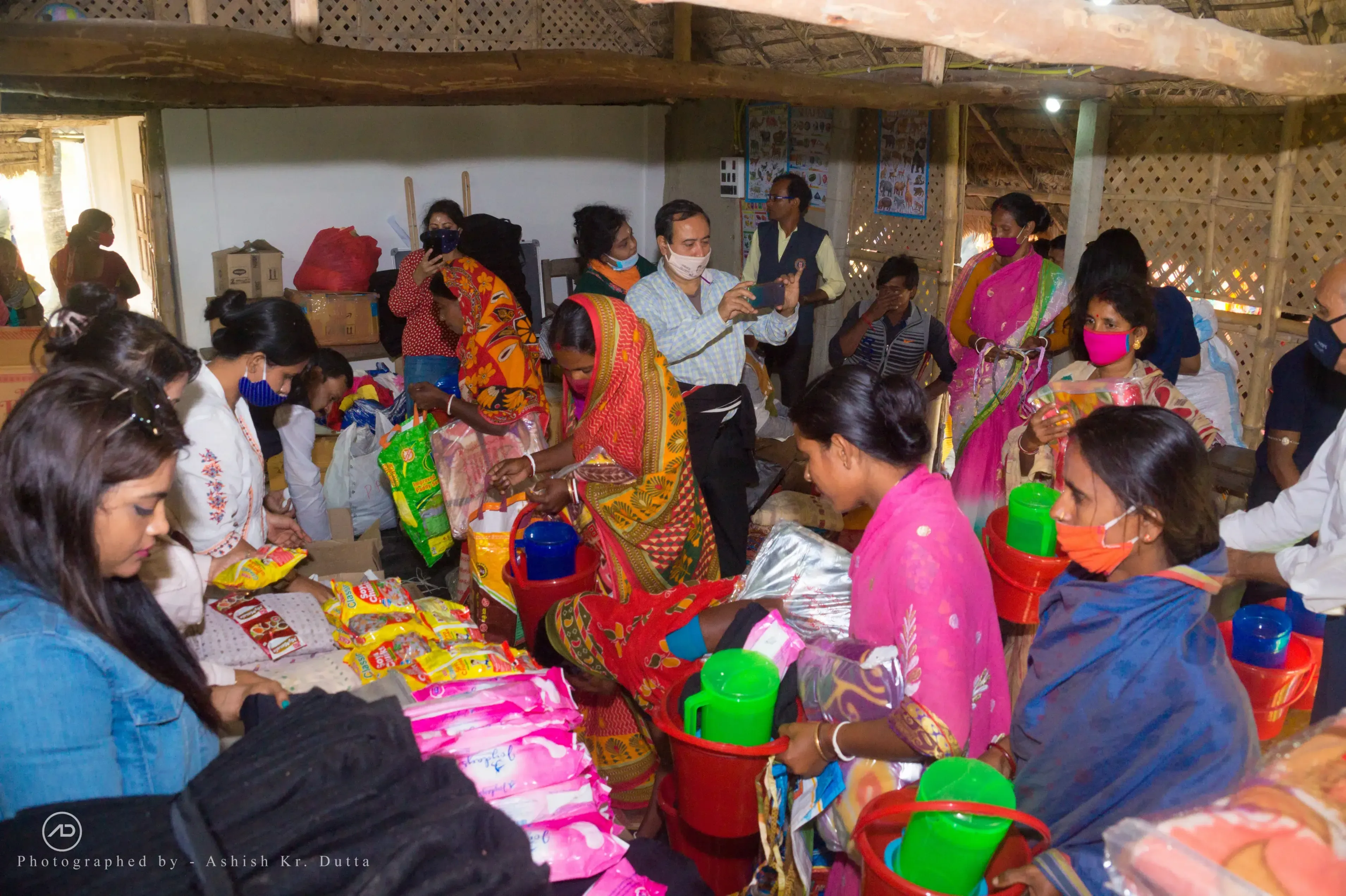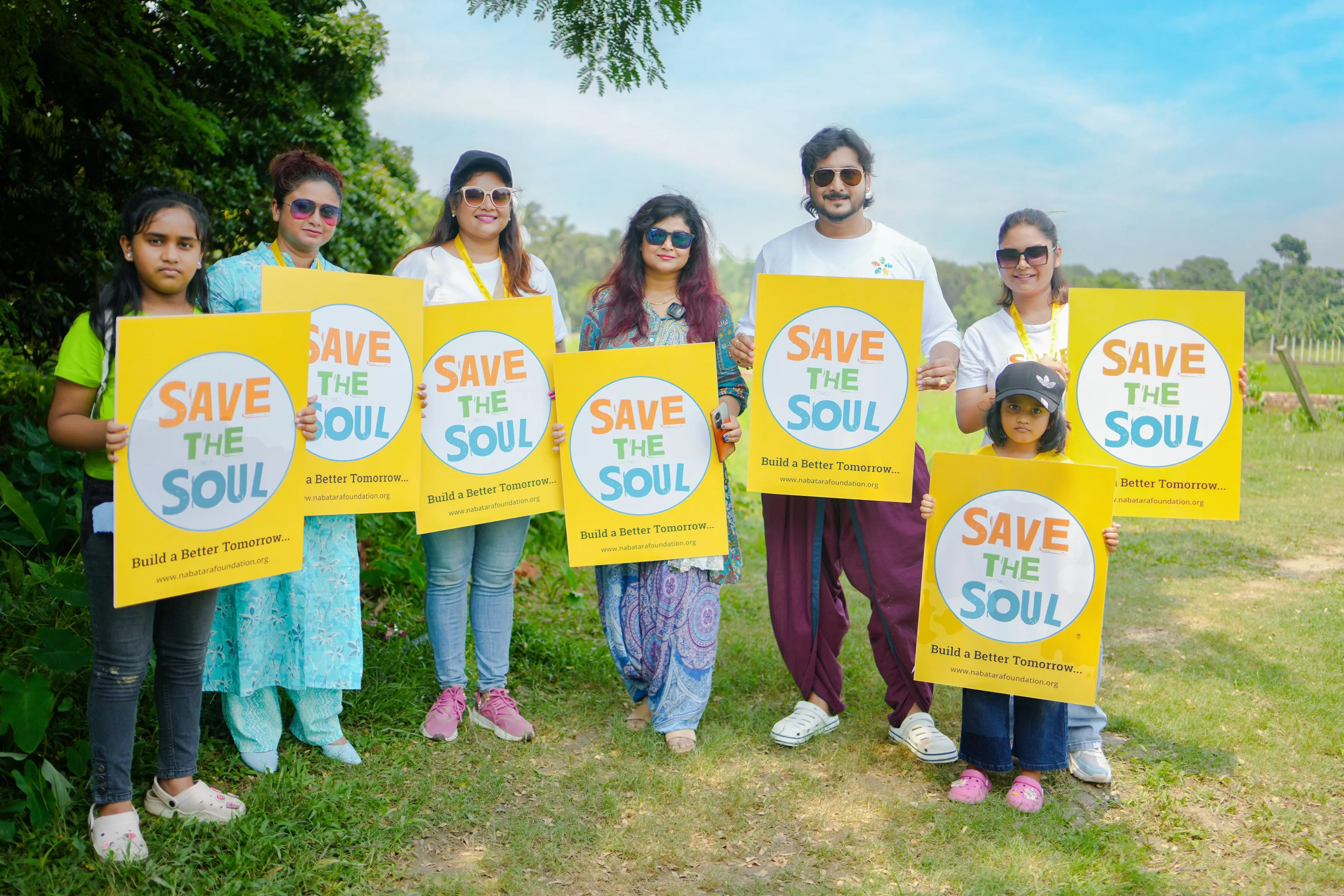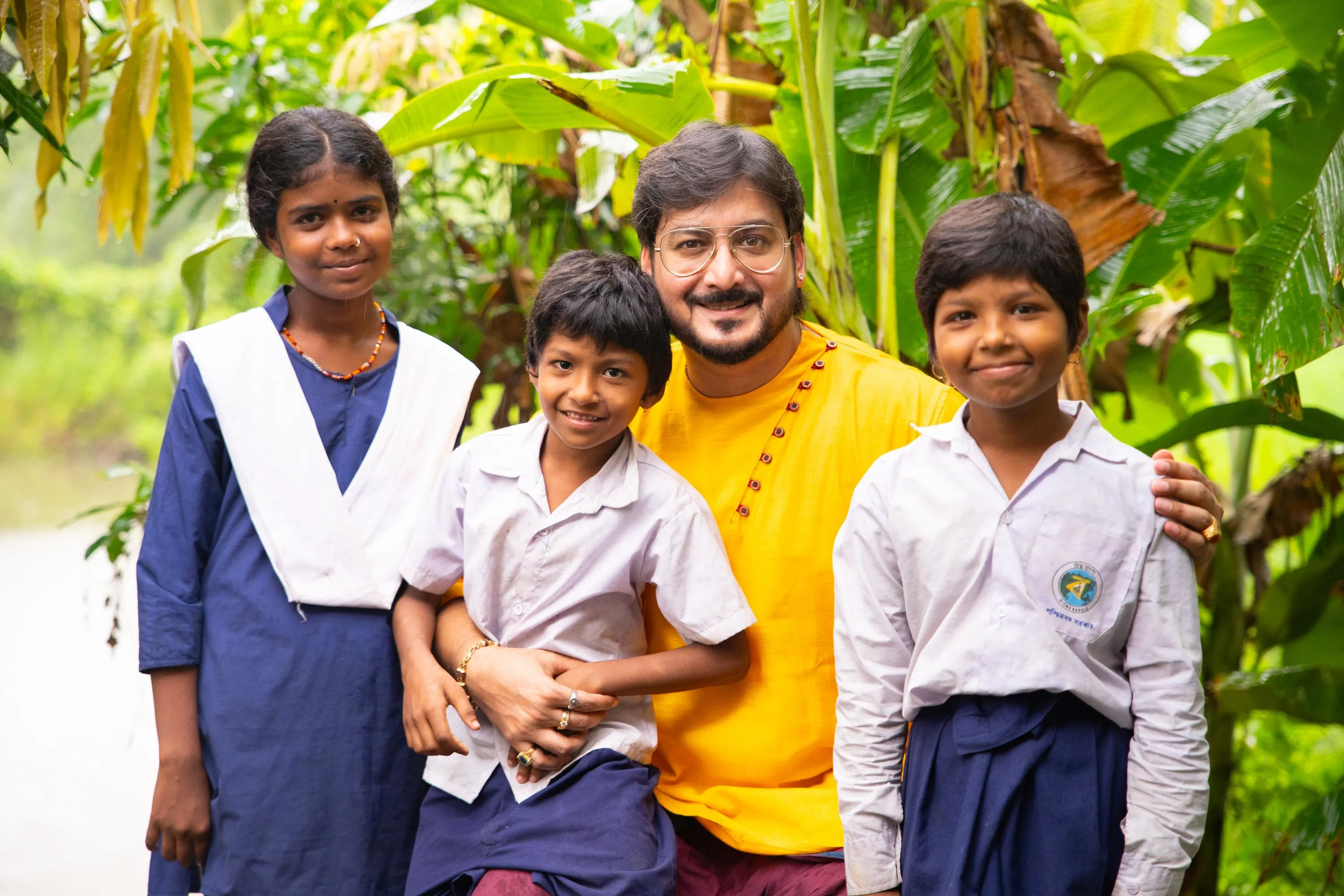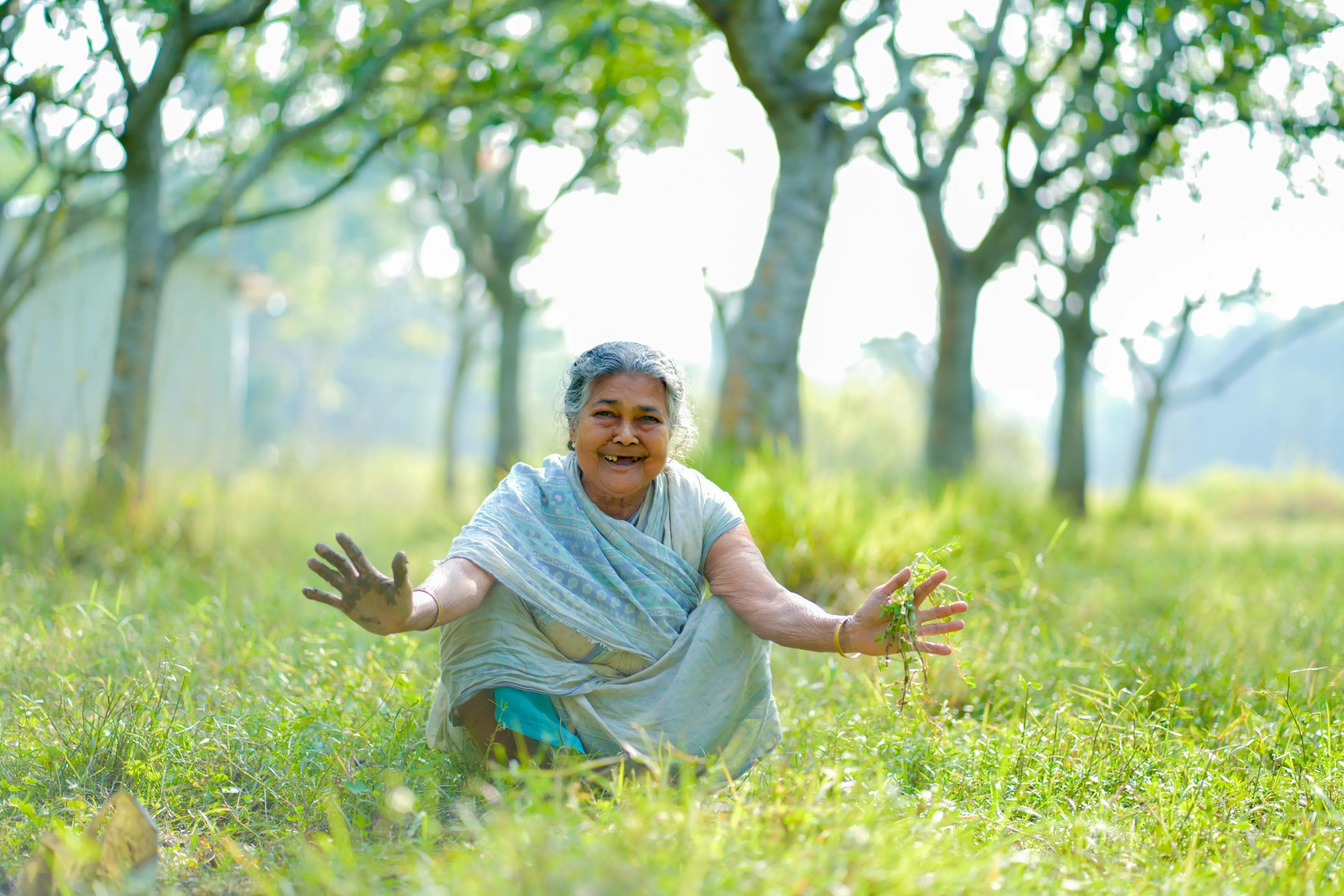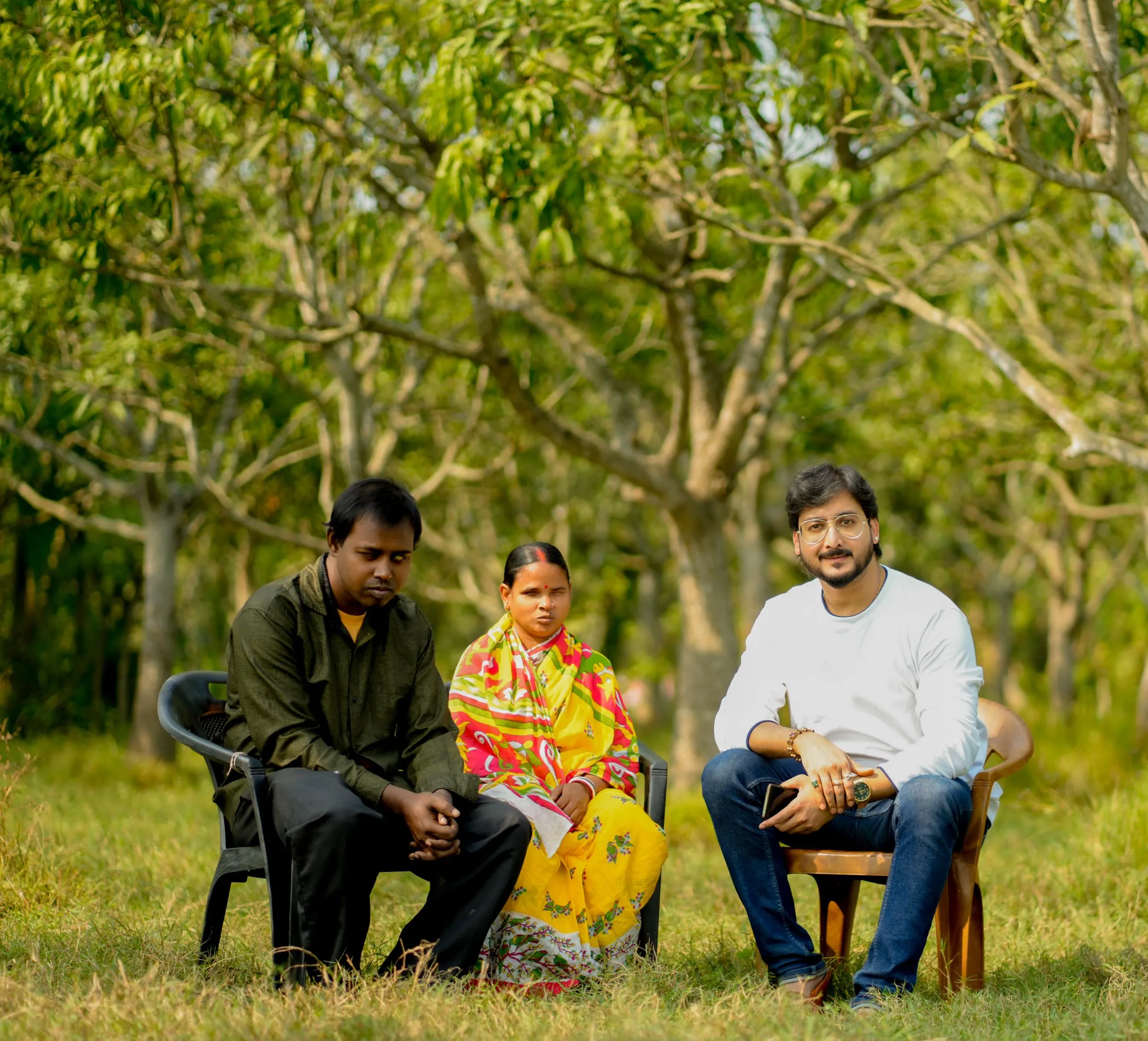
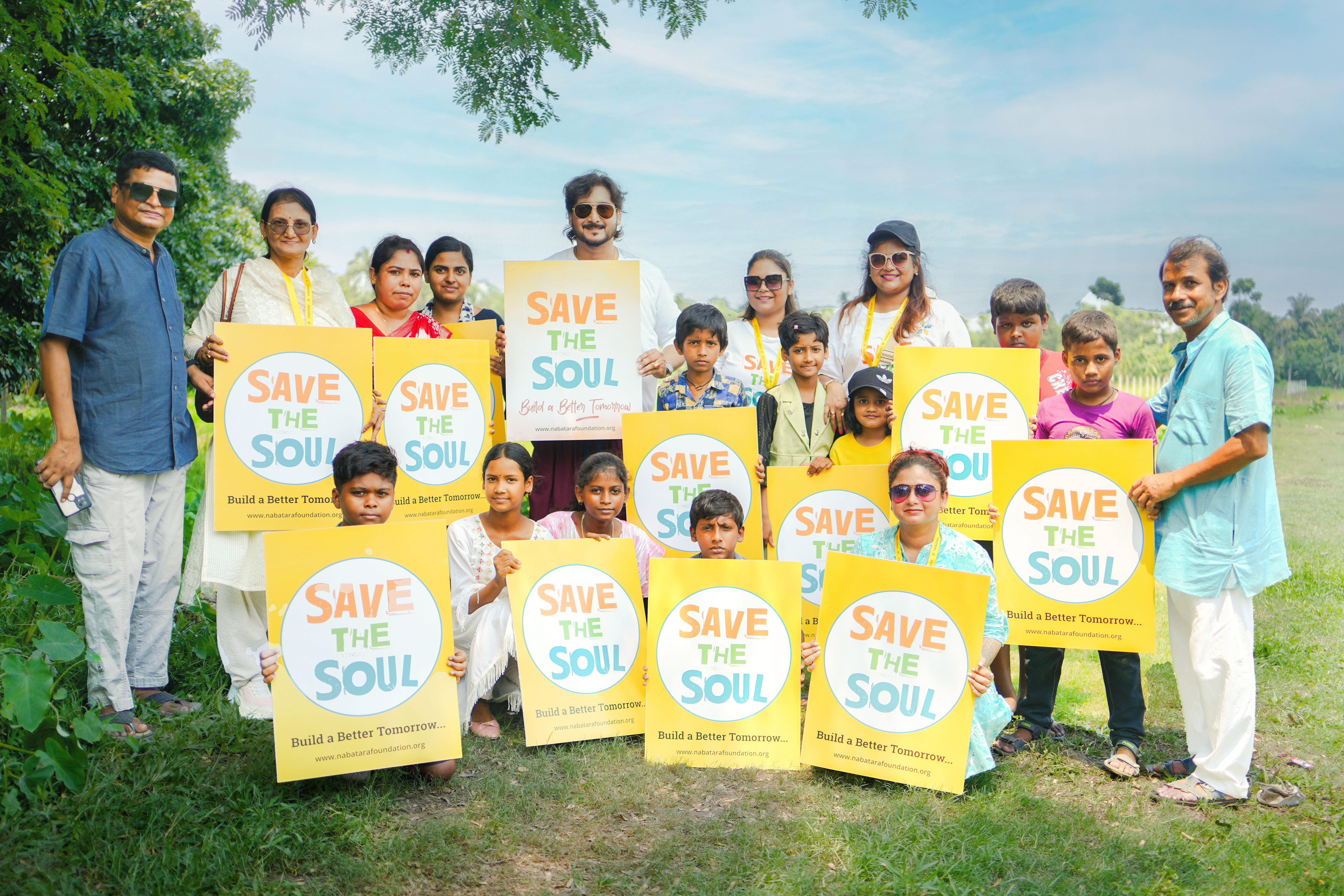
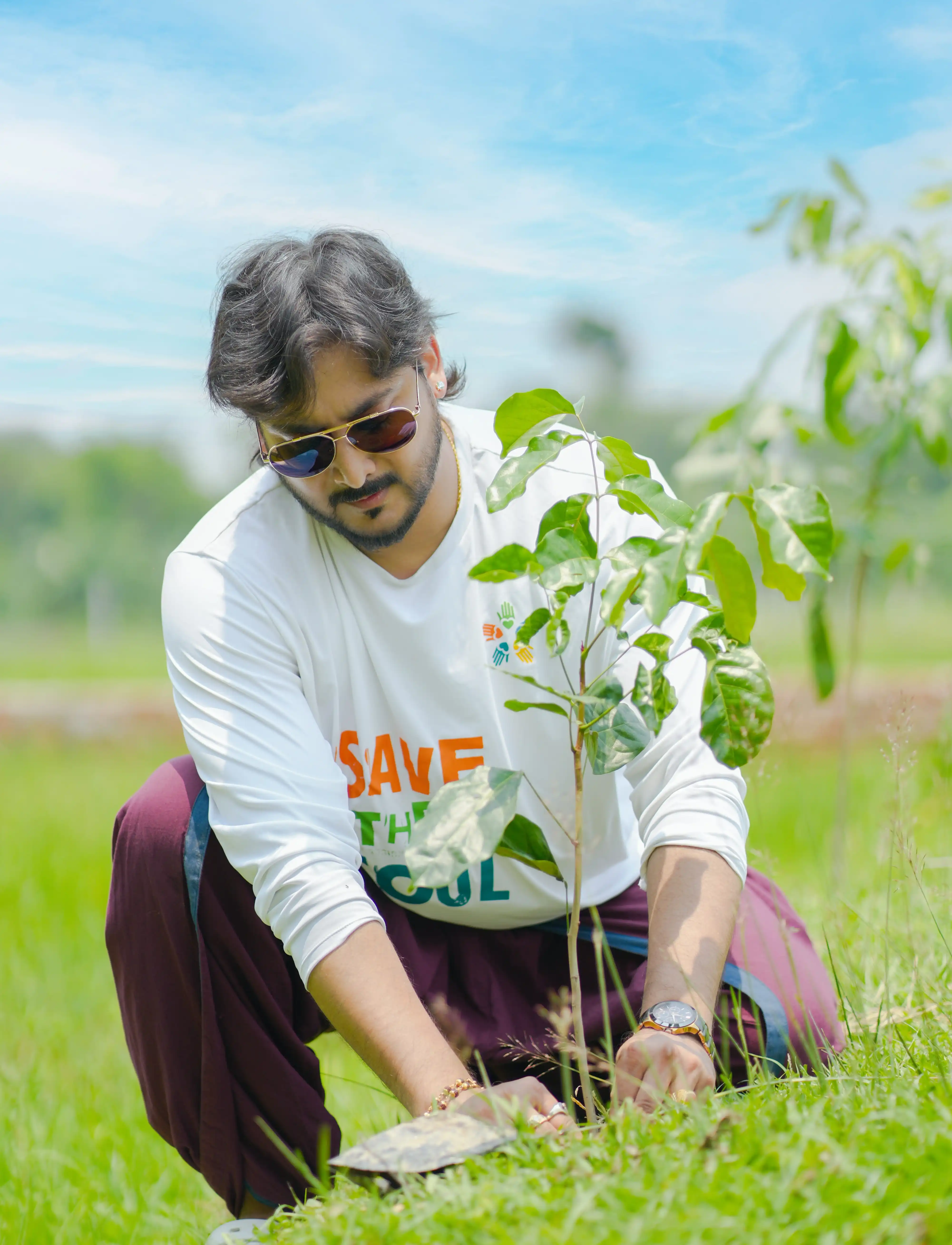


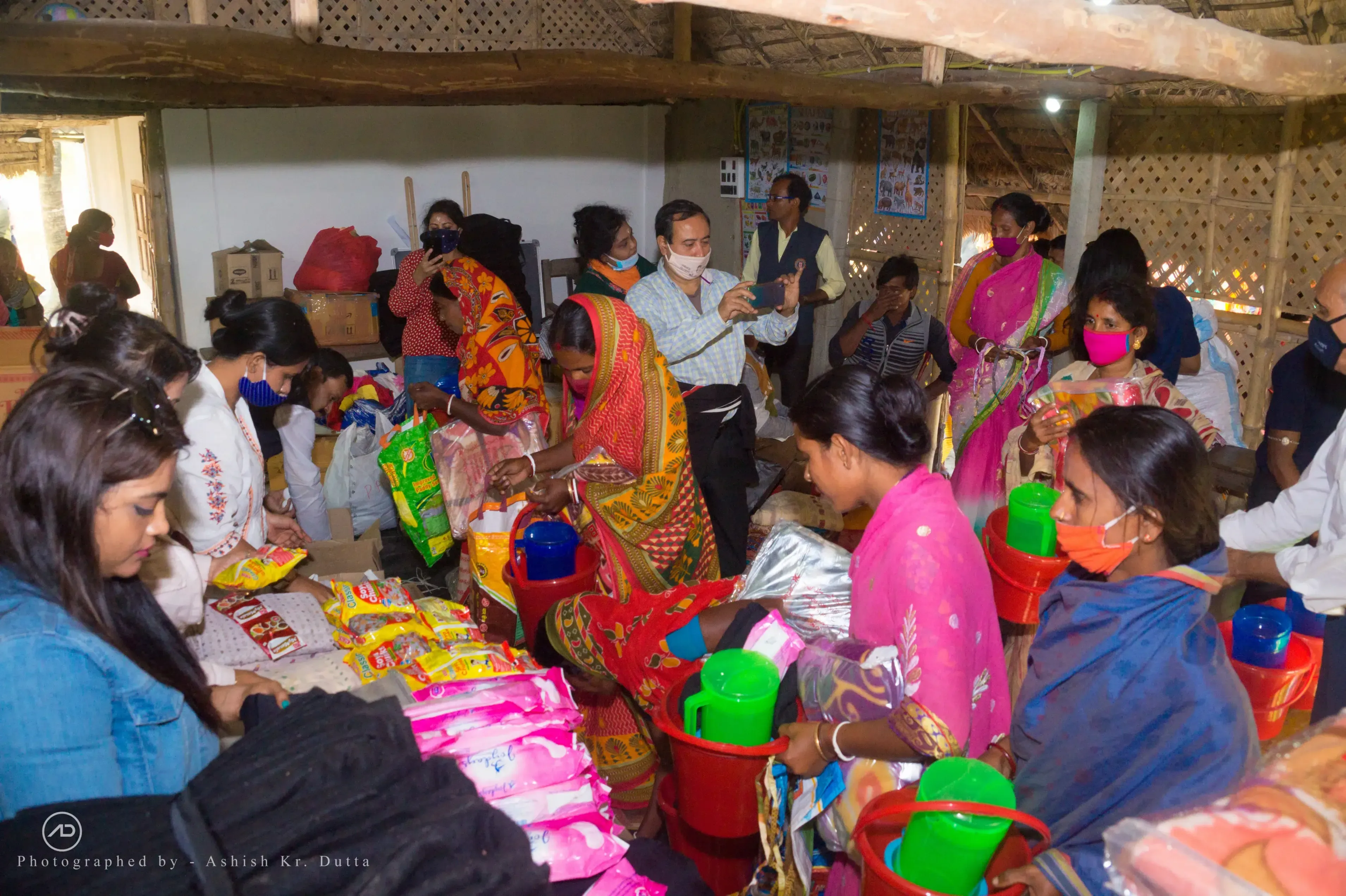
Her experience reflects the reality faced by thousands of senior citizens across India who have devoted their lives to their families and communities, only to find themselves isolated when they need support the most. At Nabatara Foundation—Save The Soul, founded by Gaurav Tribedi, we believe every elderly individual deserves respect, security, quality healthcare, nutritious food, emotional companionship, and above all, dignity. Through our old age home development initiative, we strive to ensure that growing older never means growing invisible. Mrs. Sen's story is not simply about receiving assistance; it is about restoring hope, rebuilding confidence, and reminding society that compassion has the power to transform lives. Her journey stands as a symbol of resilience and reflects our shared responsibility to care for those who once cared for us.
The Human Reality
When Age Brings Uncertainty Instead of Comfort
Across India, countless families continue to uphold traditions of caring for their elders with love and gratitude. Yet changing social structures, economic pressures, migration, and health-related challenges have created a growing number of senior citizens who find themselves living alone or without adequate support. As an elder care NGO in Kolkata, Nabatara Foundation – Save The Soul, under the guidance of Gaurav Tribedi, has witnessed these realities firsthand. Behind every elderly face is a lifetime of memories, sacrifices, responsibilities, and dreams that deserve recognition rather than neglect.
Mrs. Sen's journey represents one such reality. While every individual's circumstances are unique, her story echoes the experiences of many older adults who quietly struggle with loneliness, fragile health, financial insecurity, and emotional distress. Her life reminds us that aging is not merely a biological process—it is a deeply human experience that requires empathy, patience, and collective responsibility.
A Lifetime of Love and Responsibility
For decades, Mrs. Sen lived an ordinary yet meaningful life. Like many women of her generation, she dedicated herself to her family with unwavering commitment. Her home was built not only with bricks and walls but also with countless acts of care that often went unnoticed. She celebrated festivals, prepared meals, supported loved ones during difficult times, and believed that family would remain her greatest source of strength throughout her life.
Her husband was her closest companion. Together they navigated life's joys and hardships with resilience. Although they were not wealthy, they valued relationships, mutual respect, and simple moments of happiness. They dreamed of spending their later years peacefully, surrounded by familiar faces and cherished memories.
Life, however, rarely follows the plans we make. After the passing of her husband, the foundation upon which Mrs. Sen had built her emotional world began to weaken. The loss was profound. Grief entered quietly but remained with her every day. Beyond emotional pain came practical challenges that many elderly widows encounter across the country—reduced financial stability, declining health, and increasing dependence on others for everyday needs.
The Silent Weight of Loneliness
Loneliness is often invisible. Unlike physical illness, it cannot always be seen through medical tests or outward appearances. Yet its effects on older adults are significant. A quiet room can become overwhelming when conversations disappear. A familiar home can feel unfamiliar when there is no one left to share it with.
Mrs. Sen gradually experienced this silence becoming part of her daily life. Days passed with limited interaction. Routine activities that once brought comfort became difficult to manage alone. Small health concerns remained untreated because traveling to healthcare facilities became increasingly challenging. Preparing balanced meals every day became exhausting. Managing household responsibilities without assistance became another source of anxiety.
As isolation deepened, so did uncertainty about the future. Questions that no elderly person should have to face alone began to dominate her thoughts. Would there be someone to help if she became seriously ill? Who would ensure she had nutritious food? Where could she turn if she no longer had a safe place to stay? These concerns are shared by many senior citizens who silently carry emotional burdens while trying not to become what they perceive as a burden to others.
Beyond Financial Hardship
When discussions around elder care focus solely on financial assistance, they overlook many of the challenges that aging individuals encounter every day. While economic security is essential, dignity is shaped by several interconnected needs. Access to healthcare, emotional wellbeing, social inclusion, mobility support, nutritious meals, clean clothing, safe accommodation, and compassionate human interaction all contribute to a person's quality of life.
Mrs. Sen's situation reflected this broader reality. Physical weakness affected her independence. Emotional isolation reduced her confidence. Healthcare became increasingly important as age-related conditions demanded regular monitoring and timely medical attention. Simple daily tasks required greater effort than before. Even maintaining optimism became difficult when every day felt uncertain.
For many older adults across India, these challenges remain hidden because they hesitate to ask for help. Years of self-reliance often make accepting assistance emotionally difficult. Many fear losing their independence or becoming dependent on others. This is precisely why compassionate elder care must begin with respect. Assistance should empower individuals rather than diminish their sense of identity.
Understanding Antyodaya Through Elder Care
One of the guiding values reflected in our humanitarian work is Antyodaya, a Sanskrit concept that means uplifting the person who stands last in the line of opportunity. For international readers unfamiliar with Indian philosophy, Antyodaya represents an ethical commitment to ensure that development reaches those who are often overlooked. It reminds society that genuine progress is measured not only by economic growth but also by how we care for individuals who are most vulnerable.
Mrs. Sen's story illustrates why this principle remains deeply relevant today. Elderly individuals living in isolation may not always ask for help, but their needs deserve equal attention. Supporting them is not an act of charity alone; it is an acknowledgement of their lifelong contributions to society.
Seva: Compassion Expressed Through Action
Another value that inspires our work is Seva, a Sanskrit word describing selfless service performed without expecting personal reward. While often associated with spiritual traditions in India, Seva carries a universal meaning that resonates across cultures. It encourages individuals to serve others with humility, kindness, and genuine concern for human well-being.
At Nabatara Foundation – Save The Soul, seva is reflected not only in organized programs but also in everyday human interactions. Offering a warm meal, accompanying an elderly resident to a medical appointment, listening patiently to stories from the past, celebrating birthdays together, or simply spending time in conversation are all meaningful expressions of compassionate service.
For someone like Mrs. Sen, these moments gradually replaced feelings of abandonment with renewed emotional security. Human connection often becomes as important as medicine, particularly for senior citizens who have experienced prolonged isolation.
Dharma: A Shared Responsibility Across Generations
Indian philosophy also speaks of "dharma," a concept that can be understood as moral responsibility or the ethical duty individuals and communities have toward one another. Rather than belonging to any single religious tradition, Dharma encourages people to act with integrity, fairness, and compassion in everyday life.
When communities participate in elder care, they fulfill a shared responsibility that extends beyond individual families. Volunteers, healthcare professionals, caregivers, donors, and local residents all become part of a supportive network that protects dignity during later years of life. This collective responsibility strengthens communities while creating environments where older adults continue to feel valued and respected.
Kalyan: Building Well-Being Together
Closely connected to these values is "kalyan," meaning collective wellbeing or the welfare of society as a whole. Kalyan recognizes that when vulnerable individuals receive appropriate care, entire communities become healthier, kinder, and more resilient. Supporting one elderly person often inspires neighbors, families, volunteers, and future generations to adopt similar values of compassion and social responsibility.
Mrs. Sen's journey therefore represents more than the story of one individual. It reflects how caring for senior citizens contributes to the well-being of everyone around them. Every restored smile strengthens the social fabric that binds communities together.
The Need for Compassionate Elder Care in Modern India
India's aging population continues to grow, bringing both opportunities and responsibilities. Many senior citizens remain active contributors to society, while others require varying levels of healthcare, emotional support, and assisted living. Urban migration, changing family structures, and increasing healthcare needs have created new challenges that require collaborative solutions involving civil society, communities, families, volunteers, and responsible nonprofit organizations.
Through its Old Age Home Development initiative, Nabatara Foundation seeks to respond to these evolving realities with dignity-centered care rather than temporary assistance. Every senior citizen deserves to feel safe, respected, heard, and connected regardless of personal circumstances. Mrs. Sen's journey begins from a place of hardship, but it also marks the beginning of renewed hope—a reminder that compassionate communities can help ensure that no elderly individual faces the later chapters of life alone.
The Pillars of Change
Why Elderly Hardship Deepens Over Time
Mrs. Sen’s story did not begin with a single crisis. Like many cases supported by Nabatara Foundation—Save The Soul, her hardship developed gradually, shaped by circumstances that are often difficult for others to see. When an elderly person loses a spouse, the pain is not only emotional. The entire structure of daily life can shift at once. Household routines change. Income becomes uncertain. Health concerns feel heavier. Social contact becomes narrower. For many families, these changes arrive quietly, and unless there is a strong support system, the elderly individual can slowly slip into isolation.
At Nabatara Foundation, founded by Gaurav Tribedi, we have learned that elder care is not only about providing shelter. It is about understanding how one form of vulnerability leads to another. A widow may begin by struggling with loneliness, then face declining mobility, and later lose access to regular medical care. An older adult who once managed everything independently may suddenly need help with meals, transport, medication, clothing, sanitation, and companionship. This is why elder care must be approached as a full human responsibility rather than a single charitable gesture.
As a compassionate elder care NGO in Kolkata, our work responds to these layered realities with practical support and human warmth. Mrs. Sen’s journey shows how a safe bed, a balanced meal, timely medication, and a kind conversation can become the first steps toward recovery of dignity. But behind these visible needs lie deeper causes that must also be understood if meaningful and lasting change is to happen.
Family Changes, Economic Pressure, and Social Distance
Many older adults in India spend their working years believing that family will remain their strongest protection in later life. In many cases, that trust is honored. In others, however, changing family circumstances make it difficult for relatives to provide consistent care. Children may migrate for work. Households may face financial strain. Health expenses may rise beyond expectations. Some families may be emotionally willing but practically unable to care for an aging parent full-time. Others may not have the awareness, patience, or structure needed to offer appropriate support.
Mrs. Sen’s situation reflected a combination of personal grief and social vulnerability. Once her husband passed away, her emotional anchor weakened. Without the presence of a partner to share responsibilities, everyday life became harder. A senior citizen living alone often has to navigate not just sadness but also practical insecurity. In many neighborhoods, elderly women in particular face this quietly and without complaint, believing they should endure difficulty privately. Their silence often hides serious need.
This is where the role of a responsible nonprofit becomes essential. A trusted organization can identify when an older adult needs more than temporary relief. It can assess whether she requires shelter, medical supervision, food assistance, clothing, counseling, and community inclusion. It can also act with sensitivity so that support does not feel intrusive or humiliating. At Save The Soul, these details matter because dignity is not an extra benefit. It is the foundation of ethical care.
Healthcare as the First Line of Protection
For elderly people, untreated health conditions can quickly affect confidence, mobility, nutrition, sleep, and overall emotional stability. In Mrs. Sen’s case, health problems became more difficult to manage once she was left without steady support. Small illnesses that may have been manageable earlier started to demand attention. Without proper monitoring, such conditions can create anxiety and reduce independence even further. Many older citizens avoid seeking care because they do not want to burden others or because they cannot afford regular treatment. Some simply do not know where to turn.
Through our old age home development initiative, healthcare support becomes one of the most important pillars of protection. This includes medical assistance, regular observation, help with medicines, and, when needed, referral to additional care. The goal is not merely to react to a crisis but to prevent one. For an elderly resident, knowing that someone is paying attention to changes in health can provide immense relief. A safe environment becomes more meaningful when it is paired with access to care.
This approach also reflects the broader philosophy of the Nabatara Foundation. Whether through healthcare outreach, community nutrition, or other grassroots service efforts, the organization focuses on the person as a whole. The same humanitarian logic that informs a Women's Skill Building Center or a Livelihood Support program also informs elder care: support must be practical, respectful, and sustainable. People flourish when they receive the right help at the right time, not when they are left to struggle until the situation becomes extreme.
Why Shelter Must Also Mean Safety
A roof alone is not enough. Elderly shelter must mean cleanliness, stability, privacy, and emotional safety. Mrs. Sen did not only need a place to sleep. She needed a place where she could rest without fear, eat with regularity, receive attention when she felt unwell, and live without the constant anxiety of being alone. For many older adults, the simple predictability of a safe environment can be transformative. When the body is aging and the mind is carrying grief, even small certainties become powerful.
This is why old-age home development is not just infrastructure work. It is humanitarian design. It requires attention to bedding, nutrition, hygiene, movement, lighting, accessibility, companionship, and daily routine. It requires staff and volunteers who understand that older people are not passive recipients of charity. They are individuals with memories, preferences, dignity, and emotional depth. Mrs. Sen’s peace began to return not because her circumstances became perfect, but because the environment around her became dependable.
At Nabatara Foundation—Save The Soul, that dependability is built through transparent care and steady presence. When people see a dependable social response, trust grows. That trust is one of the strongest pillars of any lasting humanitarian mission. It is also one reason why communities continue to look to a government-registered NGO like ours when older citizens need support that is both compassionate and responsible.
Companionship as a Form of Care
Loneliness can weaken a person more deeply than visible illness. An elderly person may have food, medicine, and shelter, yet still feel emotionally abandoned. Human beings need conversation, attention, laughter, remembrance, and belonging. For Mrs. Sen, the return of companionship was as significant as medical assistance. Sitting with others, sharing meals, speaking about familiar memories, and simply being seen each day helped restore a sense of connection to life.
This is often overlooked in social development conversations. Yet those who work closely with senior citizens know that companionship can improve appetite, mood, and confidence. A kind presence can encourage someone to take medication regularly. A friendly conversation can reduce fear. A shared routine can reduce the sense of emptiness that follows long periods of isolation. These are not small comforts. They are essential elements of care.
This is also where the spirit of Seva becomes visible in daily action. A volunteer sitting beside an elderly resident is not simply “helping.” They are honoring a life. They are recognizing that the measure of a community is not only how it treats the young and productive but also how it cares for those whose strength has changed with age. In that sense, elder care is a moral practice as much as a social one.
Community Participation Creates Lasting Change
No organization can address elder vulnerability alone. Sustainable care depends on community participation. Families, neighbors, donors, volunteers, healthcare professionals, and local supporters all play a role in creating a safer environment for older citizens. When communities learn to notice signs of neglect early, many crises can be prevented. When people give regularly, shelters and care services become more stable. When volunteers offer their time, older residents feel less forgotten. When professionals contribute their expertise, the quality of support improves.
This collaborative model is part of what makes Nabatara Foundation a trusted NGO in Kolkata and across India. The organization's vision is not built on isolated acts of relief. It is built on community-based service that respects local realities and aims for long-term dignity. The same ecosystem that supports an elderly resident also strengthens other programs such as the Digital Classroom Initiative, Disaster Relief, and Volunteer Network. Though each initiative serves a different need, all are guided by the same belief: people thrive when support is organized, humane, and sustained.
In elder care, community participation takes on a particularly emotional meaning. Older adults are often aware of social change around them. They notice who visits, who listens, who remembers, and who stays. That awareness shapes their sense of belonging. Mrs. Sen began to heal not just because services were available, but because she could feel that people were present with intention. That sense of shared responsibility is at the heart of collective welfare.
Inclusive Development Must Include the Elderly
When people speak about development, they often focus on schools, roads, jobs, technology, and infrastructure. These are important, but development loses its meaning if it does not include the elderly. A society cannot call itself progressive if it ignores those who built its foundations. Inclusive development means ensuring that older citizens remain visible, cared for, and respected in policy conversations, community plans, and daily life.
Through the humanitarian work led by Gaurav Tribedi, Nabatara Foundation places elder care within the larger framework of inclusive development. This is not only about welfare; it is about justice. Older adults should not be treated as burdens. They should be treated as holders of experience, memory, and human value. When support is designed with dignity, the entire social structure becomes more compassionate.
That philosophy also shapes the way the organization approaches other areas of work. A women's skill-building center helps women move toward financial independence. Livelihood support enables families to survive with stability. Healthcare outreach improves access to treatment. Community nutrition helps protect those at risk of hunger. In each case, the goal is the same: not temporary relief alone, but a stronger life structure around the person.
Mrs. Sen’s Story as a Mirror for Society
Mrs. Sen is one woman, but her story mirrors the silent reality of many older people living across urban and rural India. Some live with relatives but still feel unseen. Some live alone and manage with great courage. Some face medical issues without timely treatment. Some survive on very little and endure in silence because they do not want to trouble others. Their stories rarely reach public attention, yet they deserve to be part of our national conscience.
This is why storytelling matters. When a story is told with honesty and care, it can move people beyond sympathy into responsibility. Mrs. Sen’s journey invites readers to think differently about aging. It asks us to see elder care not as an optional service but as an essential expression of humanity. It reminds us that a dignified old age should not be a privilege reserved for a few. It should be a shared social promise.
At Nabatara Foundation – Save The Soul, we continue to uphold that promise through organized service, compassionate outreach, and community-driven care. Under the leadership of Gaurav Tribedi, the organization remains committed to making sure that elderly individuals like Mrs. Sen are not left behind. Their safety, comfort, and dignity are not small concerns. They are central to the kind of society we choose to build.
Beyond Charity
Why Elder Care Must Move Beyond Temporary Support
When people think about helping elderly individuals, the first image that often comes to mind is providing food, medicine, or a safe place to stay. These forms of support are extremely important, especially during moments of crisis. However, meaningful elder care requires a deeper understanding. True care is not only about meeting immediate needs; it is about restoring dignity, confidence, emotional security, and a sense of belonging.
Mrs. Sen’s journey reflects this important difference. Her transformation did not happen simply because she received shelter or medical assistance. Those supports created stability, but the deeper change came from being treated as a valued human being. She found a place where her experiences mattered, where her health concerns were noticed, and where she could reconnect with everyday moments of happiness. This is the essence of sustainable social service.
At Nabatara Foundation—Save The Soul, founded by Gaurav Tribedi, elder care is approached with the belief that every individual deserves more than survival. They deserve respect, meaningful relationships, and opportunities to live with peace. Our work focuses on creating supportive environments where elderly individuals can regain confidence and continue their lives with dignity.
Charity often responds to a visible problem. Empowerment responds to the person behind that problem. When an elderly woman receives not only assistance but also companionship, healthcare guidance, emotional encouragement, and a supportive community, the impact reaches much further. It changes how she sees herself and how society sees her.
Restoring Independence Through Compassionate Care
Aging naturally brings changes in physical ability, but it should never remove a person's identity or independence. Many elderly individuals have spent decades making decisions, supporting families, contributing to communities, and carrying responsibilities. When they require assistance later in life, the support they receive should protect their independence rather than replace it.
For Mrs. Sen, receiving care meant regaining control over small but meaningful parts of daily life. Having regular meals meant she no longer had to worry about basic nutrition. Access to medical assistance meant health concerns could be addressed with greater confidence. A safe environment meant she could rest without constant uncertainty. These improvements may appear simple, but for someone who has experienced prolonged hardship, they represent a return to stability.
This approach reflects the larger philosophy of Save The Soul: every person deserves support that strengthens their ability to live with dignity. Whether assisting senior citizens, supporting women seeking livelihood opportunities, or helping children continue education, sustainable development begins by recognizing the individual behind the challenge.
The Role of Healthcare in Sustainable Elder Well-Being
Healthcare is one of the most important foundations of dignified aging. As people grow older, regular health monitoring becomes essential. Chronic conditions, mobility challenges, nutritional concerns, and emotional stress can affect daily life if proper attention is unavailable. For vulnerable elderly individuals, the absence of healthcare support can quickly turn manageable conditions into serious difficulties.
Through compassionate initiatives connected with elderly care, Nabatara Foundation works to ensure that health needs are approached with sensitivity and responsibility. Medical support is not limited to treatment during illness. It also includes awareness, preventive attention, timely assistance, and creating an environment where senior citizens feel comfortable expressing their concerns.
Mrs. Sen’s improved well-being came from this combination of care and consistency. Having people around her who noticed changes in her health, encouraged proper routines, and supported her medical needs helped her regain physical strength and emotional confidence. Healthcare became more than a service; it became a foundation for rebuilding her quality of life.
Nutrition: Protecting Health Through Daily Care
Nutrition plays a significant role in elderly well-being. Many senior citizens living alone face difficulties maintaining a balanced diet. Physical limitations, financial challenges, or lack of assistance can make regular nutritious meals difficult to manage. Over time, poor nutrition can weaken the body and increase vulnerability to illness.
A caring environment understands that food represents more than physical nourishment. Sharing meals creates routine, connection, and emotional comfort. For elderly residents, a meal prepared with care carries a message: someone values my well-being. That emotional meaning is often as important as the nutritional value itself.
Through initiatives connected with community support and elderly care, Nabatara Foundation recognizes nutrition as an essential part of holistic well-being. Food assistance becomes an expression of compassion, ensuring that senior citizens receive not only sustenance but also respect and attention.
Emotional Well-Being and the Healing Power of Connection
One of the greatest challenges faced by many elderly individuals is not physical illness but emotional isolation. The absence of regular conversations, familiar relationships, and meaningful interaction can deeply affect mental well-being. Many seniors carry memories of loved ones, past responsibilities, and personal struggles that they rarely share because they fear becoming a burden.
Mrs. Sen’s transformation demonstrates the importance of emotional support. The presence of caring individuals around her helped replace loneliness with connection. Conversations, shared experiences, and moments of companionship reminded her that she was still an important part of a community.
Emotional care requires patience. It requires listening without judgment and understanding that every elderly person has a unique history. A person's age does not reduce their need for friendship, appreciation, or recognition. In fact, these human connections often become more important with time.
This belief guides the volunteer culture of Nabatara Foundation. Volunteers are not simply helping with tasks; they are building relationships. Their presence represents community, kindness, and social responsibility. This reflects the spirit of Seva, where service is expressed through genuine care for another person's wellbeing.
Livelihood, Purpose, and Respect in Later Years
While some elderly individuals require full-time care, many senior citizens still wish to contribute their knowledge, skills, and experiences to society. Sustainable elder support should therefore recognize the importance of purpose. A person’s value does not disappear after retirement or aging. Their wisdom, memories, and abilities remain meaningful.
In broader community development efforts, Nabatara Foundation focuses on strengthening self-reliance through initiatives such as livelihood support and skill-based opportunities for vulnerable communities. These programs reflect a common principle: people should be supported in ways that preserve confidence and encourage participation.
For elderly individuals, purpose may come through simple activities—sharing stories with younger generations, participating in community events, helping others, or engaging in hobbies they enjoy. These experiences restore a sense of belonging and remind them that they are still contributors within society.
Creating Accessible and Inclusive Communities
A truly caring society is one where people of all ages and abilities can participate without unnecessary barriers. Accessibility is not only about physical spaces. It also includes emotional accessibility, social inclusion, and equal respect. Elderly individuals should feel comfortable asking for help without fear of judgment.
This principle connects elder care with the wider mission of Nabatara Foundation. Supporting vulnerable communities requires recognizing different forms of need. A child needing education, a woman seeking financial independence, a person with a disability requiring inclusion, and an elderly individual needing companionship all represent different expressions of the same human need: the desire to live with dignity.
Through programs such as the Digital Classroom Initiative, Healthcare Outreach, Disaster Relief, and the Volunteer Network, the organization works toward creating stronger communities where people receive support according to their circumstances. Each initiative contributes to a larger vision of inclusive development.
Environmental Responsibility and Future Generations
Human well-being is deeply connected with the environment around us. Clean surroundings, sustainable practices, and awareness of ecological responsibility contribute to healthier communities. Although elder care focuses on immediate human needs, a holistic humanitarian approach also considers the future that younger generations will inherit.
Environmental initiatives such as tree plantation activities represent this broader commitment. Trees provide cleaner air, support biodiversity, and create healthier living conditions for communities. They also represent a connection between generations—a reminder that responsible actions today create benefits for people tomorrow.
For Nabatara Foundation, social transformation includes both human care and environmental responsibility. A compassionate society protects people, respects nature, and encourages communities to participate in creating a better future.
Building Resilience Through Community Support
Resilience does not mean facing every difficulty alone. True resilience grows when people have access to supportive networks. Mrs. Sen showed courage throughout her journey, but that courage became stronger when she received the right support at the right time.
This understanding shapes sustainable humanitarian work. Organizations cannot remove every challenge from people's lives, but they can create conditions where individuals have a stronger chance to overcome those challenges. Through care, connection, and responsible action, vulnerable individuals can move from uncertainty toward stability.
For elderly citizens, resilience may mean waking up each morning knowing that someone cares. It may mean having access to healthcare when needed, sharing a conversation during the day, or feeling safe within a community. These experiences restore confidence and create a more peaceful life.
Sustainable Transformation Through Shared Responsibility
Long-term social change is never created by one organization alone. It requires collaboration between nonprofit organizations, communities, volunteers, donors, healthcare professionals, and responsible citizens. Every contribution creates a stronger support system for people who need assistance.
The journey of Mrs. Sen reminds us that sustainable care is built through consistent compassion. A single act of kindness can provide immediate relief, but continuous support can rebuild a person's sense of security and belonging.
At Nabatara Foundation – Save The Soul, the goal is not simply to provide assistance during difficult moments. The mission is to walk alongside individuals and communities as they rebuild their lives with dignity and hope. Elder care is one important part of this larger commitment toward creating a society where every person, regardless of age or circumstance, is treated with compassion and respect.
Walking with the Vision
A Humanitarian Vision Rooted in Compassion
Every meaningful social initiative begins with a belief that change is possible. Behind every program, every community interaction, and every act of service is a vision that defines how people are treated and supported. For the Nabatara Foundation—Save The Soul, this vision is built around compassion, dignity, and the understanding that every human life carries value.
The humanitarian journey of Gaurav Tribedi, founder of Nabatara Foundation, has been guided by the belief that service to humanity is one of the highest responsibilities individuals and communities can embrace. His approach combines spiritual values with practical action, recognizing that compassion becomes meaningful when it reaches people facing real challenges in their everyday lives.
The story of Mrs. Sen reflects this philosophy. Her transformation was not only about receiving support during a difficult period. It represented a larger commitment to ensuring that elderly individuals are treated with respect, kindness, and understanding. Through organized care, community involvement, and responsible service, Nabatara Foundation works to create spaces where vulnerable individuals can regain confidence and live with dignity.
The Founder’s Belief in Service Before Self
For Gaurav Tribedi, humanitarian service is deeply connected with the idea that society becomes stronger when individuals care for one another. His vision is based on the understanding that social challenges cannot be addressed only through temporary assistance. They require empathy, organized efforts, community participation, and long-term commitment.
This belief has shaped the way Nabatara Foundation approaches different areas of social development. Whether supporting elderly citizens, empowering women, helping children continue their education, assisting people with disabilities, or responding during emergencies, the focus remains on restoring dignity and creating opportunities.
The journey of Mrs. Sen represents this approach clearly. An elderly woman facing loneliness and uncertainty needed more than material support. She needed a community that recognized her emotions, respected her experiences, and helped her feel secure. This understanding of human needs forms the foundation of compassionate social work.
Spiritual Values Transforming into Social Action
The name Save The Soul represents a deeper belief that caring for humanity involves caring for the emotional and spiritual well-being of individuals. For many people, difficult circumstances affect not only physical health but also confidence, hope, and connection with society.
The humanitarian philosophy encouraged by Gaurav Tribedi focuses on bringing values such as compassion, kindness, and responsibility into practical service. Spiritual understanding becomes meaningful when it inspires action that improves another person's life.
For elderly individuals, this means recognizing that they are not defined by their challenges. They are individuals with histories, achievements, emotions, and dreams. A supportive environment allows them to reconnect with their sense of worth and experience their later years with greater peace.
Organised Service Creates Reliable Impact
Good intentions are important, but lasting social impact requires structure, planning, and accountability. Humanitarian work involves understanding community needs, coordinating resources, maintaining responsible processes, and ensuring that support reaches the people who need it most.
As a Section 8 organization, Nabatara Foundation follows an organized approach toward community service. The purpose of structured nonprofit work is to transform compassion into sustainable programs that can consistently support vulnerable individuals and communities.
The Old Age Home Development initiative reflects this organized approach. Elderly care requires continuous attention rather than occasional intervention. Food support, healthcare assistance, safe accommodation, emotional companionship, and daily care must work together to create meaningful improvement.
Mrs. Sen’s journey demonstrates why systematic care matters. A single moment of assistance may provide temporary comfort, but a consistent support system creates genuine stability. Through responsible planning and community involvement, elderly individuals can experience security and renewed confidence.
Transparent Governance and Responsible Humanitarian Work
Trust is one of the most important foundations of nonprofit work. People who support social causes want to know that their contributions create meaningful outcomes and reach communities responsibly. Transparency, ethical practices, and accountable systems help build this trust.
Nabatara Foundation believes that every supporter, volunteer, and community member becomes part of the humanitarian journey. Maintaining responsible processes ensures that the organization continues working with sincerity and purpose.
A transparent approach also strengthens relationships with beneficiaries. People receiving support deserve respect and clarity. They should understand that they are not objects of charity but valued members of society whose dignity must always be protected.
The Role of Volunteers in Creating Human Connections
Volunteers are an essential part of any successful social mission. Their contribution goes beyond completing tasks. They bring energy, empathy, time, and personal connection to communities that need support.
In elder care, volunteers often become a bridge between vulnerable senior citizens and the wider community. A conversation, a visit, assistance with daily activities, or simply spending meaningful time together can reduce loneliness and improve emotional well-being.
The volunteer culture developed through Nabatara Foundation reflects the belief that everyone has something valuable to contribute. Not every person can provide financial assistance, but everyone can contribute kindness, awareness, skills, or time.
This collective participation represents the true meaning of community service. When individuals come together with compassion, even small contributions become part of a larger movement of care and responsibility.
Building Community Trust Through Consistent Presence
Trust is not created through words alone. It develops through consistent presence and genuine action. Communities understand the difference between temporary attention and long-term commitment. Organizations earn confidence by standing with people not only during moments of visibility but also during everyday struggles.
Mrs. Sen’s story reflects the importance of this consistent presence. Her recovery was supported by regular care, emotional encouragement, and a dependable environment. Over time, uncertainty was replaced with comfort, and loneliness was replaced with connection.
This approach represents the broader mission of Nabatara Foundation. Social transformation requires patience. It requires listening to communities, understanding their realities, and responding with solutions that respect individual circumstances.
Serving Diverse Communities Through One Shared Mission
The challenges faced by society are interconnected. Poverty can affect education. Poor health can affect livelihood opportunities. Social isolation can affect emotional well-being. This is why humanitarian work requires a comprehensive approach.
The Nabatara Foundation works across multiple areas, including women empowerment, child education, healthcare support, disability inclusion, rural development, elderly care, environmental initiatives, and community welfare. Each program addresses a different need, but all are connected by the same purpose: helping people live with dignity.
The old age home development initiative is an important expression of this mission. Caring for senior citizens means respecting the generation that contributed to families, workplaces, and communities for decades. It reflects a society’s willingness to protect its members throughout every stage of life.
A Culture of Compassion Beyond One Individual Story
Mrs. Sen’s journey is deeply personal, but its message extends beyond one person. Across India, many elderly individuals experience similar struggles related to loneliness, healthcare challenges, and lack of support. Their stories remind us that social responsibility does not end with helping one person; it grows when communities recognize shared needs.
Through the leadership of Gaurav Tribedi, Nabatara Foundation continues working toward creating a culture where compassion becomes a regular practice rather than an occasional response. The aim is to encourage individuals, organizations, and communities to participate in creating a more caring society.
The foundation’s work represents the belief that every person deserves dignity at every stage of life. Whether someone needs a helping hand during childhood, adulthood, or old age, compassionate support can create a path toward hope and self-respect.
Continuing the Journey of Service
The story of Mrs. Sen is a reminder that social change begins when people choose to care. Her journey from loneliness to dignity was possible because compassion was transformed into organized action.
Through responsible programs, dedicated volunteers, community participation, and the humanitarian vision of Gaurav Tribedi, Nabatara Foundation continues to serve individuals who need support and recognition.
The mission is not only to address present difficulties but also to create stronger communities where every person has the opportunity to live with dignity, security, and hope.
As a government-registered NGO, Nabatara Foundation – Save The Soul remains committed to building a compassionate society where service, responsibility, and humanity guide every action. Through collective effort, countless lives can move from uncertainty toward possibility and from isolation toward belonging.
A Future Built Together
Hope Begins When Communities Choose Compassion
The journey of Mrs. Sen reminds us that every person deserves the opportunity to experience dignity, care, and belonging, regardless of age or personal circumstances. Her story began with uncertainty, loneliness, and health challenges, but it moved toward stability because compassionate support became part of her life. This transformation represents a larger truth: when communities come together with empathy and responsibility, even difficult situations can move toward hope.
At Nabatara Foundation—Save The Soul, every elderly person supported through care initiatives represents a reminder that social transformation is built through human connection. A safe environment, medical assistance, nutritious meals, emotional companionship, and respectful treatment may appear like individual acts, but together they create a foundation where people can rebuild confidence and live peacefully.
The vision for the future is not only about helping people during moments of hardship. It is about creating stronger communities where vulnerable individuals are remembered, supported, and included. Through continued efforts in elderly care, healthcare, community development, and humanitarian service, Nabatara Foundation aims to reach more individuals who need compassion and support.
Creating a Society Where Elderly People Are Valued
Age should represent experience, wisdom, and a lifetime of contributions—not isolation. Every elderly person carries stories of dedication, sacrifice, and resilience. They have supported families, contributed to workplaces, guided younger generations, and helped build communities. Their later years should be filled with respect and care.
Mrs. Sen’s experience reflects the importance of changing how society views aging. Elder care should not be considered only a responsibility during emergencies. It should become an ongoing commitment that recognizes the emotional, physical, and social needs of senior citizens.
A compassionate society ensures that older adults have access to healthcare, meaningful relationships, safe surroundings, and opportunities to remain connected. This requires collaboration between families, nonprofit organizations, volunteers, healthcare professionals, and responsible citizens.
Through its Old Age Home Development initiative, Nabatara Foundation continues working toward this vision by supporting elderly individuals with dignity-centered care. The goal is not simply to provide assistance but to create environments where senior citizens feel respected, protected, and valued.
The Power of Small Contributions in Creating Large Impact
Many people believe that creating social change requires extraordinary resources. In reality, lasting impact is often built through many small contributions coming together. A volunteer offering time, a donor supporting essential care, a healthcare professional sharing expertise, or an individual spreading awareness can all become part of a meaningful journey.
For elderly individuals, these contributions have a deeply personal impact. A donation may support nutritious meals or medical needs. A volunteer visit may bring emotional comfort. A partnership may help strengthen care facilities. Awareness may help connect vulnerable individuals with available support.
Mrs. Sen’s journey demonstrates that compassion becomes powerful when people choose to participate. Every person who joins this mission becomes part of a larger effort to ensure that senior citizens do not face difficult moments alone.
A Believable Transformation: From Silence to Belonging
When Mrs. Sen first received support, the biggest challenge she faced was not only her physical condition but also the feeling of being disconnected from the world around her. After losing her husband and facing increasing difficulties, her days became filled with uncertainty. Simple activities that once felt natural became challenging, and the absence of regular companionship affected her emotional well-being.
Through the support provided under Nabatara Foundation’s Old Age Home Development initiative, Mrs. Sen gradually began rebuilding her routine. She received access to safe accommodation, nutritious meals, healthcare assistance, and a caring environment where people listened to her experiences.
Over time, small moments created meaningful change. Sharing conversations with others, participating in daily activities, receiving attention during health concerns, and feeling welcomed within a supportive community helped her regain confidence. She began smiling more often, engaging with people around her, and looking toward each day with greater peace.
Her story does not represent a perfect life without challenges. Instead, it represents something more realistic and meaningful—the ability of compassionate care to help someone move forward despite difficulties. Mrs. Sen’s experience reflects the journey of many elderly individuals who need not only support but also recognition that their lives continue to matter.
The Future of Compassionate Elder Care
The need for elderly care will continue to grow as communities change and more senior citizens require support systems beyond traditional family structures. Preparing for this future requires awareness, planning, and collective action.
Nabatara Foundation believes that future elder care must combine compassion with sustainable practices. This includes improving access to healthcare, encouraging volunteer participation, strengthening community networks, and creating environments where elderly individuals can live with security and respect.
The organization's broader humanitarian work reflects the same commitment. Support for women empowerment, child education, disability inclusion, healthcare access, rural development, and environmental responsibility all contribute toward stronger communities where people can overcome challenges with dignity.
A future built together means recognizing that every person has a role to play. Social transformation is not created by one organization alone. It grows when communities choose kindness, responsibility, and cooperation.
How Donors Become Partners in Hope
Donors are not simply contributors to a cause. They become partners in a humanitarian mission. Every contribution represents trust, compassion, and a willingness to stand with individuals who need support.
For elderly care initiatives, donations help strengthen essential services that create comfort and security. They support activities that allow senior citizens to receive care with dignity rather than uncertainty.
Responsible giving is about understanding the human story behind every contribution. Behind every meal provided, every medical need addressed, and every moment of companionship created, there is a person whose life becomes a little easier because someone cared.
By supporting Nabatara Foundation, individuals and organizations become part of a movement that values humanity above circumstances. Their support helps ensure that elderly citizens like Mrs. Sen continue receiving the care and respect they deserve.
The Role of Volunteers in Spreading Humanity
Volunteers represent the heartbeat of community service. Their involvement brings energy, personal connection, and human warmth to every initiative. While financial resources are important, time and presence are equally valuable.
A volunteer can create a meaningful difference by spending time with elderly residents, supporting awareness activities, assisting community programs, or helping connect people with available resources. These actions remind vulnerable individuals that they are not forgotten.
The volunteer journey is also transformative for those who participate. Serving others often creates a deeper understanding of compassion, responsibility, and shared humanity. It builds communities where people support each other beyond personal boundaries.
Building Long-Term Social Transformation Together
Sustainable change requires patience. It requires organizations that remain committed, communities that participate actively, and supporters who believe in long-term solutions. The journey may begin with one person, but its impact can extend across families and communities.
Mrs. Sen’s story represents the importance of standing beside people during vulnerable moments. Her transformation shows that dignity can be restored when society chooses compassion over indifference.
The work of Nabatara Foundation—Save The Soul—continues with the belief that every individual deserves care, respect, and an opportunity to live with hope. Through responsible programs, community partnerships, and dedicated service, the organization continues walking alongside people who need support.
Join the Journey of Compassion
Every contribution has the power to create meaningful change. Whether through donations, volunteering, partnerships, or simply sharing the mission with others, every effort helps Nabatara Foundation reach more individuals and families experiencing hardship.
The journey of elderly care is not only about supporting people in difficult circumstances. It is about protecting dignity, encouraging self-respect, and creating communities where no one feels forgotten. With continued support, more senior citizens can receive the care, companionship, and security they deserve.
Nabatara Foundation – Save The Soul invites individuals, organizations, and compassionate supporters to become part of this shared mission. Together, we can continue creating pathways of hope, dignity, and well-being for elderly individuals and vulnerable communities.
To support this humanitarian journey, contribute, volunteer, partner, and spread awareness through savethesoul.in. Every act of kindness brings us closer to a future where compassion reaches every person who needs it.